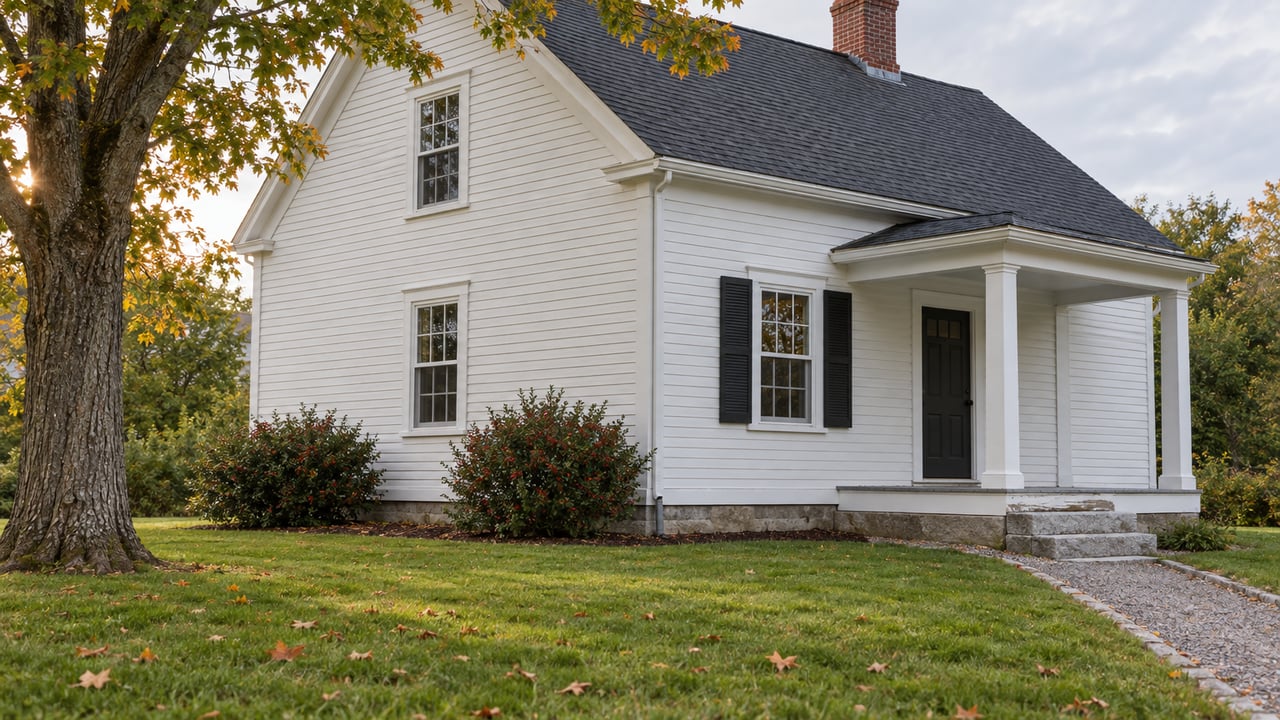
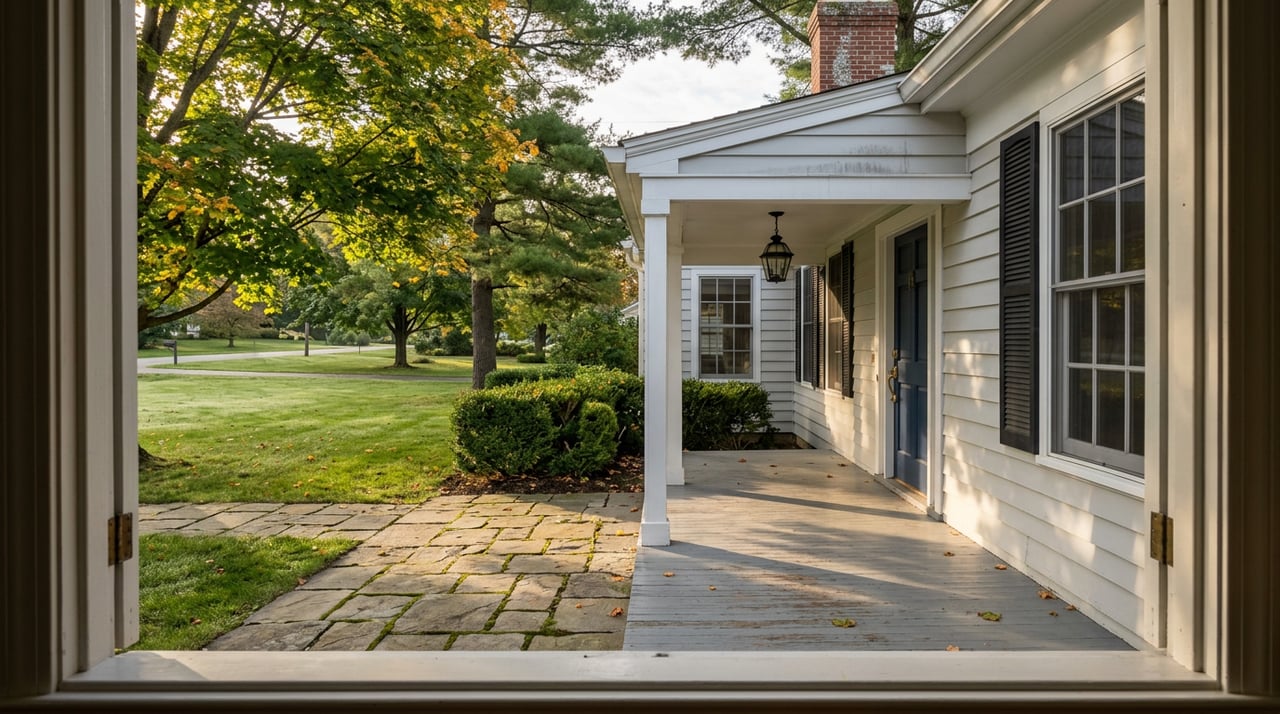
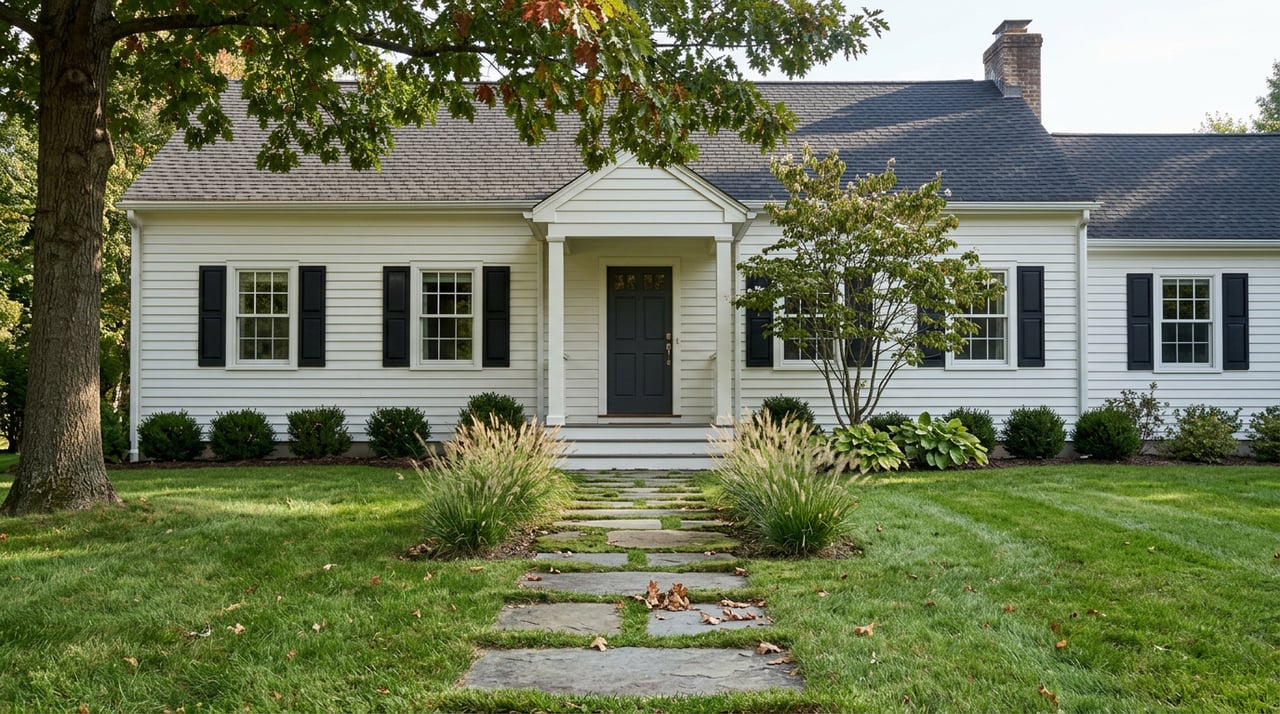
Drive Middle Road on a Tuesday afternoon and Sidney looks the way it always has. Working farms still dot the landscape west toward Lake Messalonskee. A hay field gives way to a stand of pines, then another farm. This is the town Sidney's own website still describes as agricultural at heart, known historically for hay and apples, with the lake forming its western border.
Then Thursday comes, and somewhere between six and seven in the evening, that same stretch of road starts filling with cars headed toward Goldenrod Lane. By showtime, the crowd gathered at Snow Pond Center for the Arts can rival the population of several Sidney-sized towns combined. The venue calls itself one of the largest open shell outdoor stages in the country, with a marketed capacity above 7,000. That number did not happen by accident, and it did not happen overnight. It is the result of a deliberate five-year buildout, and it is quietly changing how often Sidney has a show night at all.
The Bowl by the Numbers
Before 2020, the Bowl in the Pines held about 2,000 people. It had sat on the shore of Messalonskee Lake since 1930, mostly hosting recitals and performances tied to the New England Music Camp. Then Snow Pond Center for the Arts began a three-year, three-phase renovation aimed at drawing the same caliber of touring act that plays Thompson's Point in Portland or Darling's Waterfront Pavilion in Bangor.
The numbers tell the story of that ambition plainly.
| Point in time | Bowl in the Pines capacity |
|---|---|
| Before 2020 | About 2,000 |
| Early renovation phase (2021) | 3,500 to 4,000 |
| Today | 7,000+ |
| Long-term target announced in 2021 | 7,500 |
That is not incremental growth. That is a venue that more than tripled its footprint in five years, with officials on record wanting to go further still. Snow Pond's development director at the time, Christa Johnson, framed the expansion as a way to fold the community more directly into the venue's mission: "The more we can incorporate kids that come here and kids in the entire community, the more exposure they're going to have to the arts." Executive Director John Wiggin pointed to the economic angle when the larger capacity was announced, projecting that concerts at the new scale would generate roughly $300,000 apiece for the local economy through restaurant and lodging spending.
Whether that per-show figure still holds exactly in 2026 is beside the point. What matters for anyone living nearby is the trajectory: a stage built for a couple thousand people is now regularly seating three and a half times that many, and the people running it have said publicly they are not done growing it.
This Season Looked Different From the Last One
In 2021, the year the larger Bowl reopened, Snow Pond described a season of 20 total concerts running June through September, with 12 of those being free student performances and about eight being ticketed, larger-scale shows.
This year's ticketed lineup alone runs well past that earlier count. Between June and mid-September 2026, the Bowl booked The Beach Boys, Ty Myers with Brent Cobb and Benny G, Jo Dee Messina, Whiskey Myers, Alison Krauss & Union Station with Jerry Douglas and Theo Lawrence, Ziggy Marley, Trombone Shorty, Blues Traveler with Gin Blossoms and Spin Doctors, The Revivalists, Andy Grammer with Walk Off The Earth, Elle King, and a co-headline show from Lukas Nelson and Molly Tuttle closing out the run on September 11. That is at least a dozen major national-act nights in roughly fifteen weeks, on top of whatever smaller community and student programming filled the calendar around them.
The pattern that emerges from booking data across ticket platforms is that most of these shows land Thursday through Sunday, which lines up with how the venue has historically scheduled its season. For a Sidney resident, that means the odds of a given weekend having some kind of show at the Bowl are now considerably higher than they were even five years ago, when a ticketed national act was the exception rather than something close to a weekly expectation during peak summer.
What a Show Night Actually Looks Like
The mechanics are fairly consistent no matter who is headlining. Doors typically open 60 to 90 minutes before the scheduled start time. Large events require a paid parking pass rather than free on-site parking, which is worth knowing before you plan a casual drive-by on a Friday night expecting an open lot. If you are hosting out-of-town guests who want to camp rather than book a hotel, RV camping without tenting is available on a first come, first served basis at Bacon Farm Maple Products right in Sidney, with Shelly Bacon as the contact for arrangements.
One detail that keeps showing up in coverage of the venue is the lake itself. Because the Bowl sits directly on Messalonskee Lake, the breeze coming off the water keeps the amphitheater noticeably cooler than the surrounding area, even on the hottest days of a Maine summer. It is a small thing, but it is the kind of detail that explains why a 95-degree afternoon rarely feels like one once you are sitting in the Bowl after sundown.
The Trail Nobody Mentions in the Same Breath
Here is the part of the Snow Pond campus that almost never comes up alongside the concert schedule. Directly across Route 23 from the Snow Pond Center for the Arts entrance sits the Snow Pond Community Trails, a groomed network running more than 2.5 miles through a wooded wetland habitat. The trails support walking, running, biking, cross-country skiing, and snowshoeing depending on the season, and Snow Pond runs scheduled discovery walks along them focused on the wading bird habitat, local wild mushrooms, and wildlife that includes beaver, muskrat, fox, deer, and wild turkey.
This is the quiet half of the same organization that is booking Blues Traveler and Andy Grammer a few hundred yards away. It gets almost no attention next to the concert calendar, but it is open essentially year round and costs nothing to use. Snow Pond's cabin rentals on the property extend the same idea further, giving guests access to the trails along with canoes, kayaks, firepits, and guided fishing trips or historic boat tours on the lake itself.
The split is worth sitting with for a second. One side of Route 23 is racing toward a 7,500-seat future with national booking agents and paid parking passes. The other side is a volunteer-flavored wetland walk that has barely changed in years. Most people who live near the Bowl know it exclusively as the concert venue. Fewer seem to know they can park across the street on a quiet Tuesday and walk a groomed trail with a decent chance of spotting a beaver or a wild turkey, no ticket required.
The Short Version
Sidney did not get louder by accident. It got louder because an organization with a stated goal of reaching 7,500 seats has spent five years methodically building toward that number, and this year's lineup shows the booking pace catching up with the physical capacity. If you live nearby, the practical takeaway is simple: expect more Thursday-through-Sunday show nights during the season than you would have a few summers ago, plan around the parking pass system rather than free lot parking, and remember that the same address holds a genuinely quiet daytime alternative just across the road.
Sidney's character has not changed. It is still a lake town built around working farms and a rural pace. What changed is that one corner of it now runs on two completely different clocks, and knowing which clock is running on a given night makes all the difference.
Hoang Realty has spent years getting to know the towns of Kennebec County from the inside, not just the listings in them. If you are curious what else is shifting in the communities across central and coastal Maine, our neighborhood guides are a good place to start.