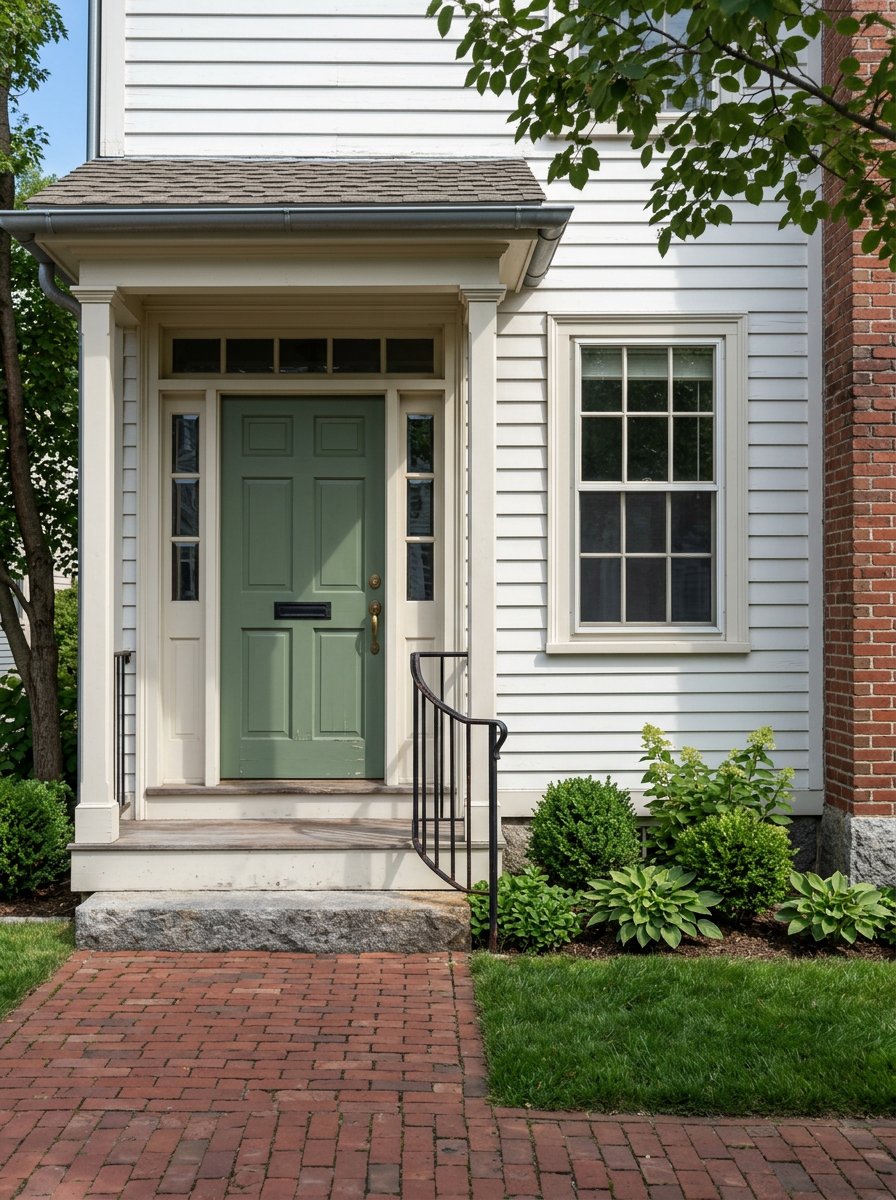
Do you light up when you see a classic brick row, a stately Greek Revival portico or a mansard roof? In Hallowell, you can own that history and live steps from the Kennebec River. But buying a historic home takes a different game plan than a newer build. In this guide, you’ll learn the rules, inspections, financing, and insurance considerations that help you buy confidently in Hallowell’s historic core. Let’s dive in.
Why Hallowell’s historic homes stand out
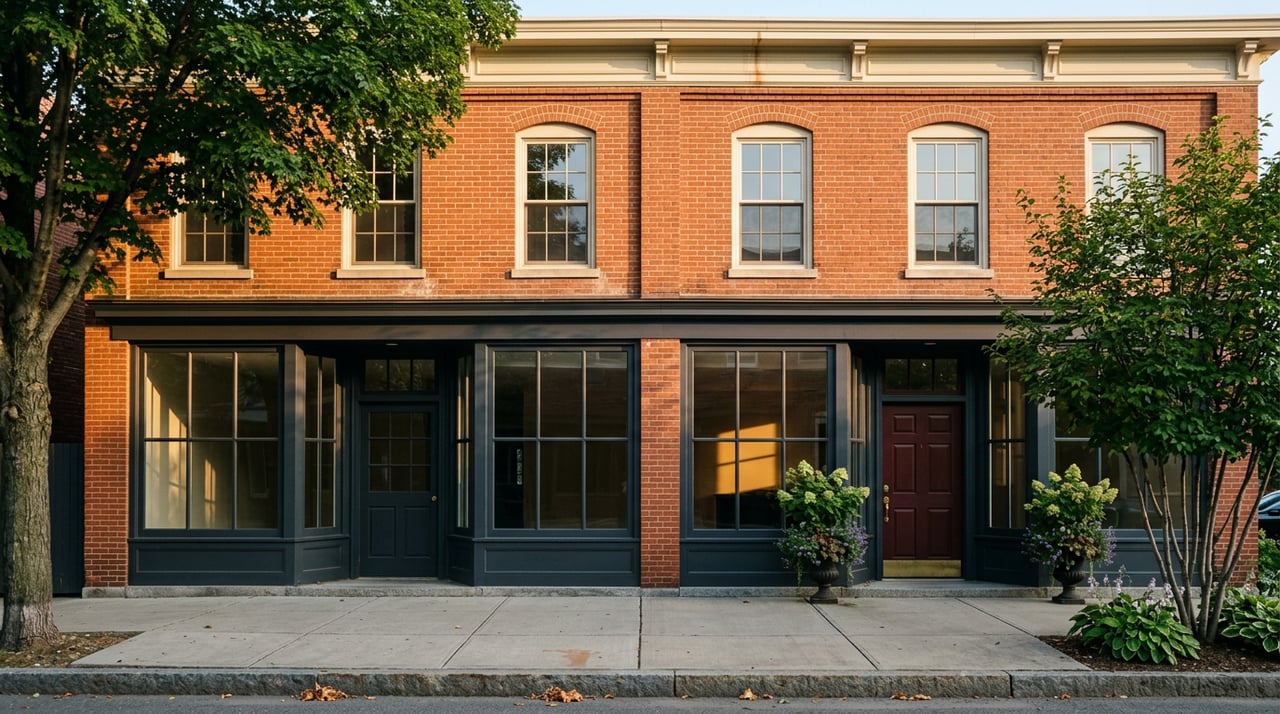
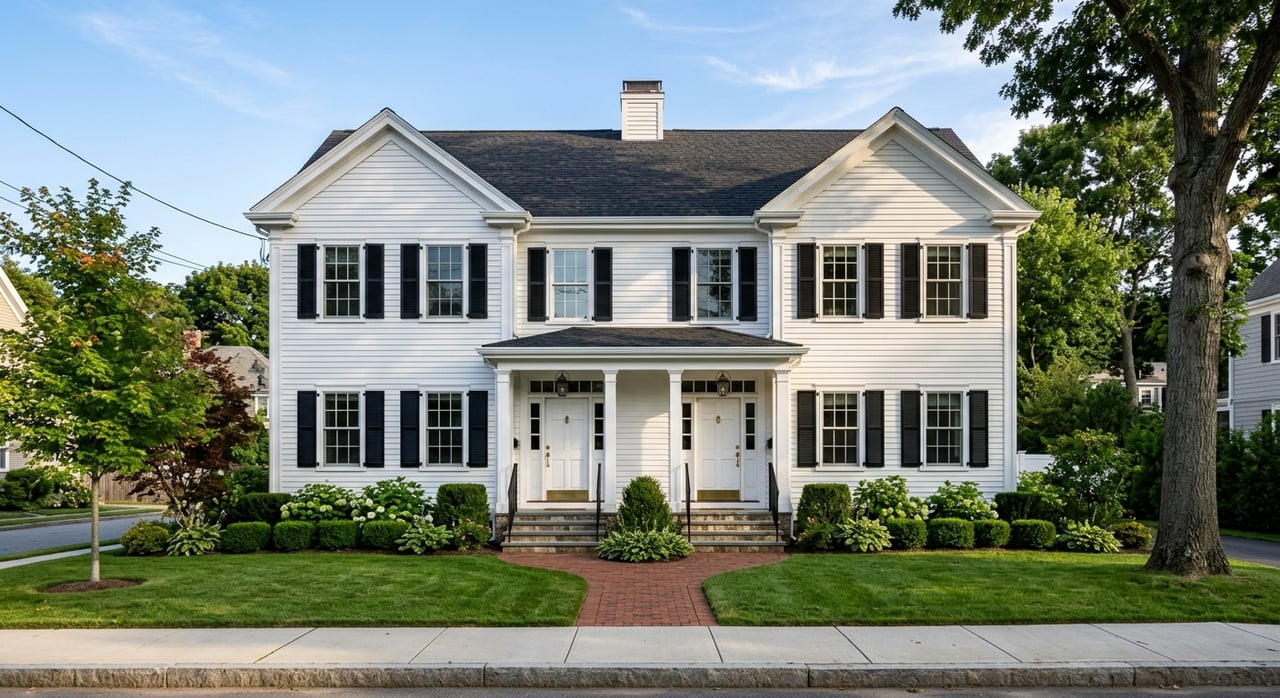
Hallowell’s downtown and nearby neighborhoods include one of Maine’s most captivating historic districts, with several hundred buildings from the late 18th and 19th centuries. The National Register–listed district features brick commercial rows and wood-frame residences that speak to the town’s riverfront past. You will commonly see Federal, Greek Revival, Italianate, Second Empire and later Victorian styles throughout the area. Explore the district’s significance and styles through the Maine Historic Preservation Commission’s overview of the Hallowell Historic District.
Local preservation groups and city committees actively support education and rehabilitation. That energy helps maintain landmarks like Kennebec Row and the Row House and strengthens neighborhood character. Buyers who value architectural detail and a walkable, small-city feel will find a lot to love.
Map the rules before you write an offer
If you are considering a home inside the local Historic District Overlay, planning ahead saves time and stress. Hallowell has a clear process for exterior changes, new construction, additions and demolition within the overlay.
Local review you must follow
- Most exterior work within the overlay requires a Historic District Certificate of Appropriateness and Planning Board approval before the city issues building or demolition permits. The ordinance ties review to the Secretary of the Interior’s Standards for Rehabilitation. You can read the city’s Historic District Standards, application details and timelines in the official document from the City of Hallowell. Review the Historic District Standards and application.
- Timing and fees matter for your schedule. The Planning Board aims to decide complete applications within 60 days. The ordinance lists a modest $25 application fee for the Historic District Certificate.
- Enforcement can vary. Treat the written ordinance and the Planning Board’s final decision as your guide and always get approvals in writing.
Boundaries and big-picture rules
- District boundaries can differ. The National Register district and the local overlay are not identical. Confirm which boundary applies to the property you are eyeing and what that means for design review.
- Technical standards. Hallowell’s reviews reference the Secretary of the Interior’s Standards, the nationwide guide for appropriate rehabilitation. Familiarize yourself with the Standards so your plans align with what the city expects. See the National Park Service’s summary of the Secretary’s Standards for Rehabilitation.
Floodplain checks for riverfront properties
If the home sits near the Kennebec River, floodplain rules and insurance can affect your purchase and renovation plans. Your lender will order a formal flood determination, but you should review local resources early and ask about elevation certificates or Letters of Map Amendment if needed. Start with the city’s page for permits, maps and floodplain administration to understand local requirements. Visit Hallowell’s floodplain and permits page.
What to inspect in a Hallowell historic house
Older houses reward careful due diligence. Budget time and money for specialized inspections and plan to verify conditions that commonly appear in 19th-century homes.
Building systems and structure
- Electrical safety. Older wiring, including knob-and-tube or ungrounded circuits, is frequently flagged by inspectors and can complicate insurance. Many insurers want unsafe systems upgraded or certified by a licensed electrician. Learn why electrical systems are a top risk from the professional-inspector perspective in this piece on managing electrical risk in older homes.
- Plumbing. Galvanized supply lines and cast-iron drains can limit water pressure or hide corrosion. A plumbing inspection and sewer-scope help you plan for replacements.
- Foundations and drainage. Stone or rubble foundations often need repointing with compatible mortar. Check for moisture, poor grading, clogged gutters and any signs of movement. Exterior wood, slate or wood-shingle roofs, and original trim deserve a close look and preservation-aware repairs.
Windows and weatherization
Historic wood windows are often repairable and contribute to a home’s character. Many owners pair window repair with storm windows, weatherstripping and air sealing to improve comfort while preserving appearance. Ask your contractor to propose reversible, minimally invasive upgrades first.
Hazardous materials to consider
- Lead-based paint. Homes built before 1978 are likely to contain lead paint. If you plan to disturb painted surfaces, your project may need to follow EPA’s Renovation, Repair and Painting (RRP) rules and use certified methods. Budget for lead-safe practices and testing.
- Asbestos. Materials like older vinyl flooring, pipe insulation or roofing can contain asbestos. Testing and, when required, licensed abatement prevent health risks and protect historic finishes.
The right experts on your team
For most historic-home purchases, plan for a standard home inspection plus targeted evaluations:
- Licensed electrician for wiring, panels and any knob-and-tube
- Plumbing contractor and, where relevant, a sewer-scope
- Structural engineer if you see settlement, chronic dampness or past structural changes
- Lead paint testing and advice on RRP compliance if you will renovate
- Asbestos testing where materials are suspect
- A preservation architect or architectural historian for major renovations or tax credit planning
If you need preservation professionals, the Maine Historic Preservation Commission maintains consultant lists and can point you toward specialists who understand review standards and documentation requirements.
Financing, tax incentives and insurance
Historic homes can qualify for the same mortgages as any other property, but buyers planning renovations often choose loans that bundle purchase plus rehab.
Renovation mortgages to compare
- FHA 203(k). This government-insured loan finances the purchase and renovation in one mortgage and comes in limited and standard versions. It has defined processes for contractor bids and draws, which can help structure a project. Read HUD’s consumer guide to the FHA 203(k) Rehabilitation Mortgage.
- Fannie Mae HomeStyle Renovation. This conventional option also allows you to finance planned repairs with your purchase. Lender requirements can vary, so ask for a side-by-side comparison with 203(k) to understand costs and flexibility. Review Fannie Mae’s HomeStyle Renovation program overview.
State and federal incentives
- Maine rehabilitation credits. Maine offers a Substantial Rehabilitation Credit and a Small Project Rehabilitation Credit for certified projects. These state-level incentives can support smaller residential rehabs that meet program requirements. Coordinate with the Maine Historic Preservation Commission before work begins. Explore Maine’s rehabilitation tax credits.
- Federal Historic Tax Credit. The 20 percent Federal Historic Rehabilitation Tax Credit targets income-producing certified properties, such as commercial or rental buildings. It does not apply to owner-occupied single-family homes. Confirm whether your plans might qualify if you are considering mixed-use or rental scenarios. See the National Park Service’s explanation of the Federal Historic Tax Credit basics.
Insurance and flood risk
Insuring a historic home can be more complex or costly than a newer property. Insurers may require electrical or roof upgrades, and they may base coverage on higher replacement costs for period materials. Preservation groups recommend working with an insurance agent who understands historic properties and asking about guaranteed-replacement-cost coverage. For a homeowner-friendly overview, see these insurance tips for owners of historic homes.
If the property sits in a Special Flood Hazard Area, your lender will require flood insurance. Ask for a lender flood determination early, request quotes, and confirm whether an elevation certificate exists. Hallowell’s permits and floodplain resources page is a good starting point for local guidance.
Buyer checklist for Hallowell historic homes
Use this quick list to keep your purchase on track:
- Confirm district status. Ask whether the property sits inside the local Historic District Overlay and read the city’s standards and application steps. Start with the city’s Historic District Standards.
- Review the rules. Get familiar with the Secretary of the Interior’s Standards so your ideas align with local review. The NPS summary is here: Secretary’s Standards for Rehabilitation.
- Check flood risk. Order a lender flood determination, look up FEMA maps and ask the city about any local floodplain requirements. Start on Hallowell’s floodplain and permits page.
- Stack your inspections. Schedule a standard inspection plus specialized scopes for electrical, plumbing, structure, lead and asbestos as needed. If you plan significant work, add a preservation architect or condition assessment.
- Line up financing. Talk with lenders experienced in renovation loans early. Compare the FHA 203(k) and HomeStyle Renovation to see what fits your scope.
- Ask about incentives. If tax credits are part of your plan, contact the Maine Historic Preservation Commission before work begins about the state’s rehabilitation credits.
- Get permits in hand. Do not start exterior work until the city issues your Certificate of Appropriateness and required building permits. Keep the Planning Board’s written decision for your records using the Historic District Standards as your guide.
- Select the right contractors. Prioritize pros with historic-rehab experience and proper certifications for lead and asbestos. Ask for examples of similar work in Maine’s historic districts.
How Hoang Realty helps you buy with confidence
A historic home purchase moves faster and feels simpler when you have a team that knows the local process. As a boutique, owner-led brokerage based in nearby Augusta, we bring deep Kennebec County market knowledge, relationships with local officials and preservation-aware pros, and a warm, step-by-step approach.
Here is how we support you:
- Clarify district status and outline your likely review path before you make an offer
- Connect you with reputable inspectors, engineers and preservation consultants
- Coordinate with your lender on renovation-loan timelines, appraisals and contractor requirements
- Advise on competitive offers that reflect needed repairs and approval timing
- When you sell later, showcase your historic property with included professional photography, floorplans and 3‑D tours to capture every detail
If you are ready to explore historic homes in Hallowell, let’s talk about your goals and next steps. Start your search with Hoang Realty.
FAQs
What makes a home “historic” in Hallowell?
- Many homes near downtown are part of the National Register–listed Hallowell Historic District, and some also fall within the city’s local Historic District Overlay. The local overlay triggers design review for exterior work.
Do I need city approval to replace siding or add a porch?
- If the property is inside the local Historic District Overlay, most exterior changes require a Historic District Certificate of Appropriateness and Planning Board approval before permits are issued. Review the city’s standards to confirm.
How long does the Historic District approval take?
- The Planning Board aims to decide complete applications within about 60 days. Build that timing into your offer and contractor scheduling.
Can I use tax credits for my owner-occupied historic home?
- Maine offers state rehabilitation credits for certified projects, but the federal 20 percent Historic Rehabilitation Tax Credit applies to income-producing properties, not owner-occupied single-family homes.
What inspections are most important for an older Hallowell home?
- In addition to a standard inspection, plan for electrical, plumbing and structural reviews, plus lead and asbestos testing where appropriate. Add a preservation architect for major rehab projects.
Will I need flood insurance for a Kennebec riverfront home?
- If the property is in a FEMA Special Flood Hazard Area, lenders will require flood insurance. Ask for a flood determination early and consult the city’s floodplain resources for local requirements.