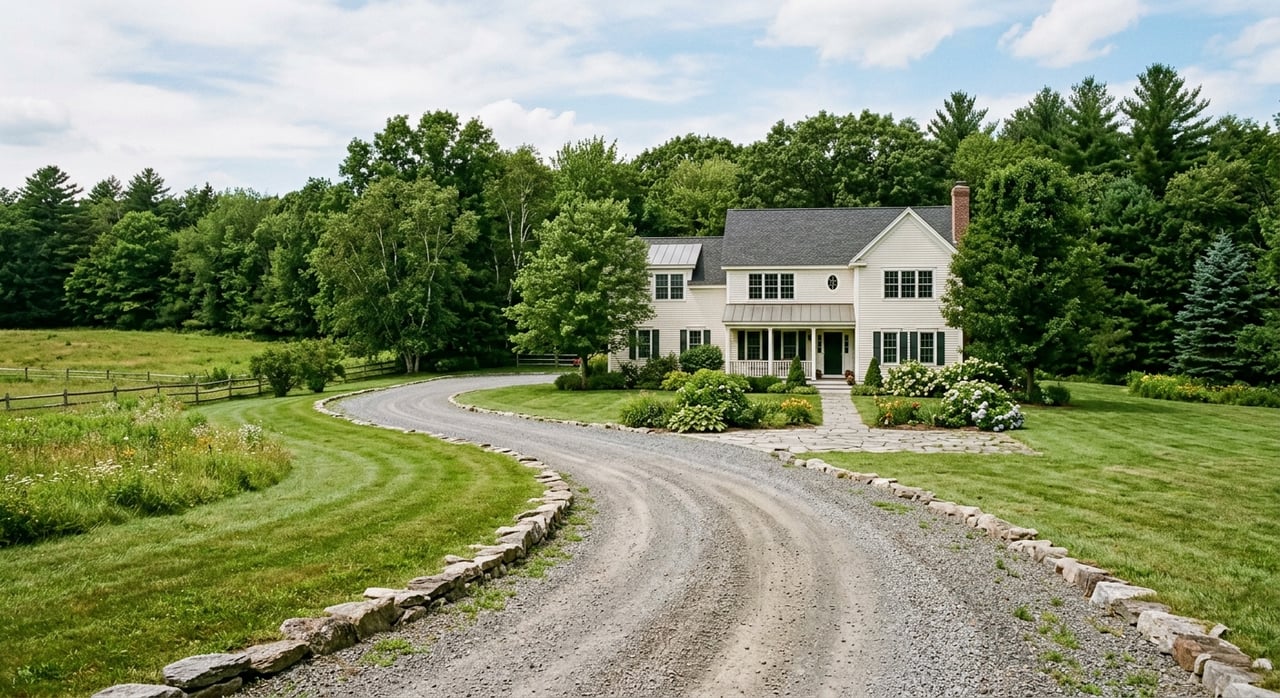
If you want elbow room without feeling cut off from everyday life, Chelsea may deserve a closer look. Buying land or a home with acreage here can give you privacy, flexibility, and a more rural setting while still keeping you connected to the Augusta area. The key is knowing how Chelsea’s local rules, private utilities, and road access can shape what you can actually do with a property. Let’s dive in.
Why Chelsea appeals to acreage buyers
Chelsea offers a mix that many buyers want but do not always find easily: a rural feel with practical access to nearby job centers and services. The town has 2,778 residents and 19.5 square miles of land area, so properties with larger lots often feel spread out and private.
That setting is part of why Chelsea is often seen as rural but not remote. The town is tied to the Augusta labor market area, and local planning documents note that Route 9 is a commuter route to Augusta, while Route 226 serves much of the residential area. Chelsea also has convenient access to I-295 and I-95 near Augusta and Gardiner.
For you as a buyer, that can mean more options. You may be able to enjoy wooded acreage, open land, or a quieter homesite without giving up reasonable access to Augusta, Hallowell, or Gardiner.
What acreage means in Chelsea
In Chelsea, buying acreage is not just about the number of acres on paper. It is also about how the land is served, how it is accessed, and what local and state permitting may apply.
The town’s ordinances and planning materials show that land use in Chelsea is shaped by local rules on building, roads, culverts, and shoreland zoning, along with Maine’s private well and septic requirements. That means two properties with the same acreage can offer very different opportunities depending on soils, setbacks, wetlands, road frontage, and utility setup.
If you are comparing listings, it helps to think beyond the lot size. A larger parcel is only part of the story. Buildability, year-round access, and ongoing maintenance matter just as much.
Private wells and septic matter here
One of the biggest differences between buying acreage in Chelsea and buying in a more serviced area is utilities. Chelsea’s town plan states that the town does not have a public sewer system and relies on private subsurface wastewater systems throughout town.
Private water supply is also the norm for most needs in Chelsea. While Augusta provides water for the town office and Chelsea Elementary School, and a few community systems serve specific sites, most acreage properties depend on private water sources.
That makes due diligence especially important. If you are buying vacant land or a home with older utility systems, you will want to understand what already exists and what may still need review or permitting.
Septic rules to understand
Maine CDC states that a permit is required before installing, expanding, or replacing a subsurface wastewater system. The site must have passing soils and meet required setbacks, and work cannot begin until the permit is issued.
That has real implications for acreage buyers. A parcel that looks spacious may still have limits on where a home, septic system, and other improvements can go. Soil conditions and setback requirements can narrow your usable building area.
Chelsea’s own building permit ordinance also adds another layer. It applies to construction, placement, remodeling, occupancy, or demolition of a dwelling or structure, and to projects that impact 1 acre or more.
The ordinance requires a plot plan that shows property lines, street names, septic location, and setback measurements. It also says a plumbing permit must be obtained before a building permit is issued when one is required.
Well considerations for acreage properties
Maine CDC guidance on private wells says about half of Maine homeowners use private wells and that most home lots can support usable bedrock wells. At the same time, buyers are encouraged to think about safe yield, separation from septic systems, and water testing.
For a Chelsea property, that means you should pay close attention to the well setup, not just whether a listing says there is one on site. Water testing for bacteria, nitrate and nitrite, arsenic, and radon can be an important part of understanding the property.
If you are buying land to build, well location and septic location should be considered together. Separation distances and site layout can affect where you place a house, driveway, garage, or future outbuildings.
Building on land in Chelsea
If your goal is to buy land and build, local permits are a major part of the process. Chelsea’s codes and health information directs residents to contact the town office for a building permit, plumbing permit, or occupancy inspection, and the town can also provide a copy of a septic plan.
That can be helpful when you are evaluating a parcel or an existing home. Available records may help you confirm whether prior work was permitted and where key systems are located.
Before you move too far along, it is wise to confirm a few basics:
- Whether the lot has a recorded septic design or existing septic plan
- Whether soils have been evaluated for subsurface wastewater permitting
- Whether the proposed building area meets setback requirements
- Whether the project will affect 1 acre or more and trigger additional local review
- Whether any plumbing permit is needed before the building permit is issued
These steps can save time and help you avoid surprises after you are under contract.
Road access can shape your ownership experience
Acreage buyers often focus on the house site or the land itself, but access is just as important. In Chelsea, road type, driveway connections, and seasonal conditions can affect both daily use and long-term costs.
The town currently posts roads during spring thaw, and posted roads carry a 23,000-pound gross registered weight limit. The purpose is to protect roads and bridges and reduce maintenance costs.
This matters more than many buyers expect. If you are planning construction, moving heavy equipment, or scheduling deliveries, seasonal road posting can affect timing.
Public roads, private ways, and responsibilities
Chelsea’s road standards define a private way as public access without a municipal obligation to keep the road in repair. In simple terms, a road may provide access to your property without being maintained by the town.
That distinction can affect your budget and expectations. Snow removal, grading, drainage work, and general upkeep may be shared privately rather than handled municipally.
If a subdivision creates a private road, Chelsea requires a road association before final approval. For a buyer, that can mean there are formal shared responsibilities tied to the road.
Chelsea’s addressing ordinance also says roads serving two or more structures are named whether they are public or private. A road name does not mean the town has accepted the road as a public way, so you should not assume town maintenance based on the address alone.
Driveways and culverts
New road construction requires Planning Board approval, and Chelsea’s road standards call for a minimum 60-foot right-of-way. The town’s culvert ordinance also requires permits for driveway or other access connections to town rights-of-way.
The property owner is responsible for installation costs and maintenance until the work is accepted by the town. For acreage buyers, this is another reminder that driveway access is not just a layout issue. It can also be a permitting and maintenance issue.
If a property has a long driveway, a stream crossing, or a new entrance point from a town road, those details deserve close review early in the buying process.
Wetlands, water, and shoreland review
Some of Chelsea’s most appealing acreage may include streams, wet areas, or waterfront influence. These features can add beauty and privacy, but they can also trigger extra review.
Chelsea’s shoreland zoning ordinance applies within 250 feet of great ponds, rivers, coastal and freshwater wetlands, and within 75 feet of streams. The building permit application also asks whether a structure is within 250 feet of a wetland or waterbody or within the 100-year floodplain.
For you, that means waterfront or streamside acreage may come with more limits on placement, clearing, or construction. A parcel can still be attractive, but you will want a clear understanding of where protected areas begin and how they affect your plans.
This is especially important if you hope to build a new home, expand an existing one, or add detached structures. Early review can help you understand what is realistic before you commit.
Tax maps and records can help you verify details
Chelsea makes several public records available that can be useful during your property search. The town keeps FY2026 tax bills and commitment books online, and its tax-map PDF set is current to April 1, 2020.
The assessing page also notes that assessment records include pictures, sketches, and assessed values. For buyers, that can make it easier to verify map-lot details and review the basic record of a property before finalizing an offer.
These records are helpful, but they should be treated as part of your overall due diligence rather than the only source. On acreage properties, exact boundaries, site conditions, and access details deserve careful confirmation.
Long-term ownership costs to plan for
Buying acreage in Chelsea can be rewarding, but it often comes with more hands-on ownership than a smaller in-town lot. That is not a drawback for everyone. It just means you should plan with clear eyes.
Depending on the property, long-term ownership may include:
- Septic system upkeep
- Well testing and pump care
- Driveway drainage and culvert maintenance
- Snow removal
- Seasonal impacts from posted-road restrictions
- Private road or road association responsibilities
When you budget for a purchase, it helps to think beyond the mortgage and taxes. Ongoing land and infrastructure care can be part of the lifestyle.
Smart questions to ask before you buy
If you are serious about buying land or a home with acreage in Chelsea, a few focused questions can help you compare properties more confidently.
Ask about:
- Whether the property is served by a private well and private septic system
- Whether septic permits, plans, or inspections are available
- Whether there are wetlands, streams, or shoreland zoning limits on site
- Whether access is from a public road or a private way
- Whether a driveway connection or culvert permit was issued
- Whether any road association obligations apply
- Whether the property may be affected by spring road posting restrictions
- Whether tax-map and assessment records match the listing information
These questions can help you move from a general interest in acreage to a practical understanding of what ownership will look like.
Why local guidance helps with Chelsea acreage
Acreage properties often involve more moving parts than a standard house lot. In Chelsea, that can include local ordinance review, private utility considerations, road access questions, and property-specific site details.
That is why local guidance matters. When you work with a team that knows the Augusta and Kennebec County market, you are better positioned to spot the issues that can affect value, timing, and usability.
If you are exploring land or homes with acreage in Chelsea, Hoang Realty can help you narrow your options, understand the local context, and move forward with confidence.
FAQs
What makes Chelsea, Maine attractive for buying acreage?
- Chelsea offers a rural setting with a small population and access to Augusta, Hallowell, and Gardiner through Route 9, Route 226, and nearby interstate connections.
Do homes with acreage in Chelsea usually have public sewer and water?
- No. Chelsea’s town plan states that the town relies on private subsurface wastewater systems throughout town and private water supply for most needs.
Do you need permits to build on land in Chelsea?
- Yes. Chelsea’s building permit ordinance applies to many construction-related activities, and Maine requires a permit before installing, expanding, or replacing a subsurface wastewater system.
What should buyers know about private roads in Chelsea?
- A private way may provide access without a municipal obligation for road repair, and some properties may also involve shared maintenance or road association responsibilities.
Are wetlands or shoreland rules important when buying acreage in Chelsea?
- Yes. Chelsea’s shoreland zoning ordinance applies near great ponds, rivers, freshwater wetlands, and streams, so site review is especially important for waterfront or streamside land.
How can buyers verify property details for acreage in Chelsea?
- Chelsea provides tax bills, commitment books, tax maps, and assessment records that can help buyers review map-lot information, sketches, pictures, and assessed values during due diligence.