If you want a home base with river views, historic character, and an easy walk to local favorites, downtown Gardiner deserves a closer look. This part of the city offers a very different feel from a spread-out suburban neighborhood, and that difference matters when you are deciding where you want to live. Whether you are buying your first place, looking for a lifestyle move, or searching for a home close to central Maine amenities, this guide will help you understand what living near the Kennebec can actually feel like. Let’s dive in.
Why downtown Gardiner stands out
Downtown Gardiner is centered on Water Street and the riverfront where the Kennebec River meets Cobbosseecontee Stream. The city describes it as a walkable downtown with preserved architecture, local shops and services, river access, and community events throughout the year. That combination gives the area a strong sense of place.
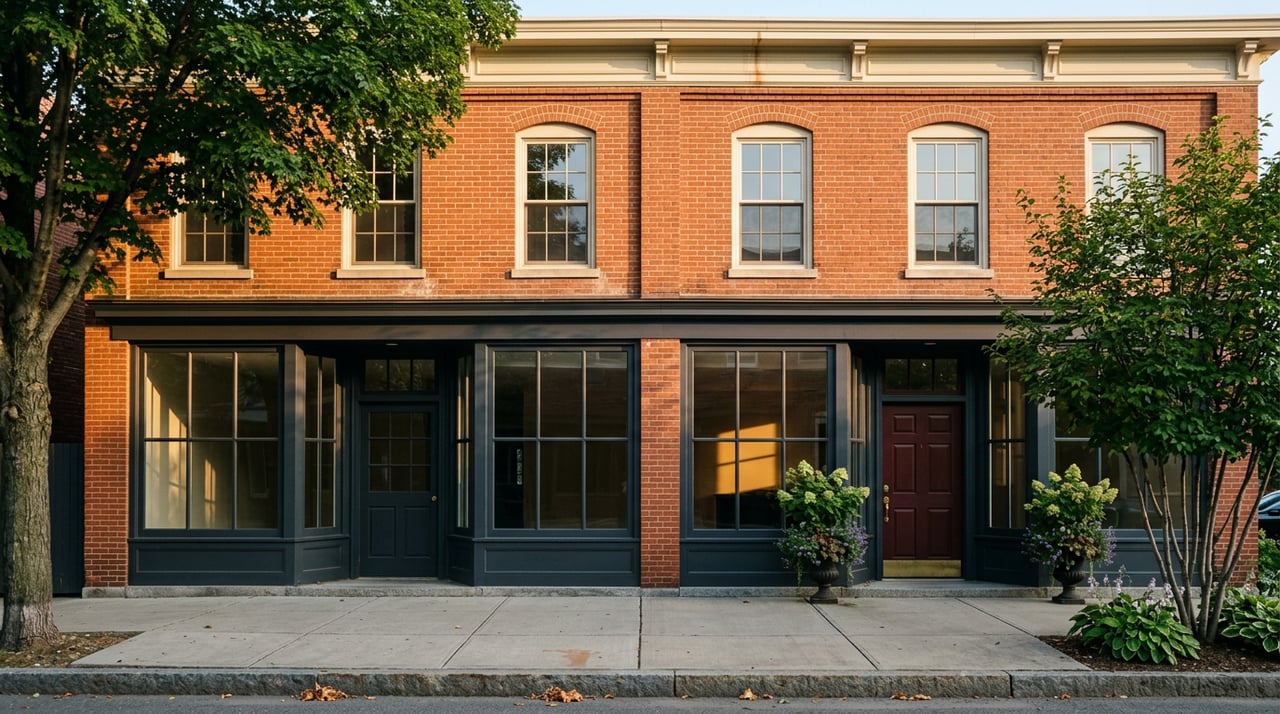
Unlike newer neighborhoods built around wider roads and larger lots, the downtown core is compact. Historic buildings line both sides of Water Street, and many back up to the Kennebec River or Cobbosseecontee Stream. In practical terms, that means daily life here feels tied to the street, the waterfront, and the surrounding downtown blocks.
What homes near the Kennebec look like
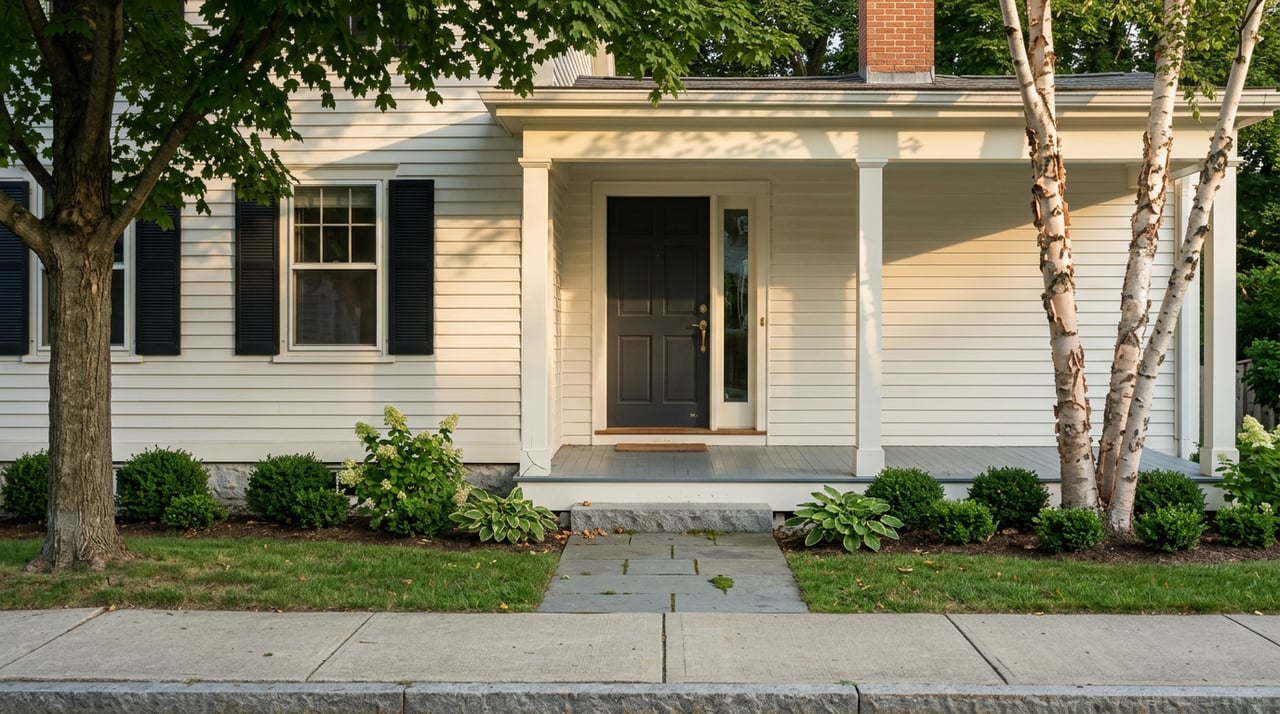
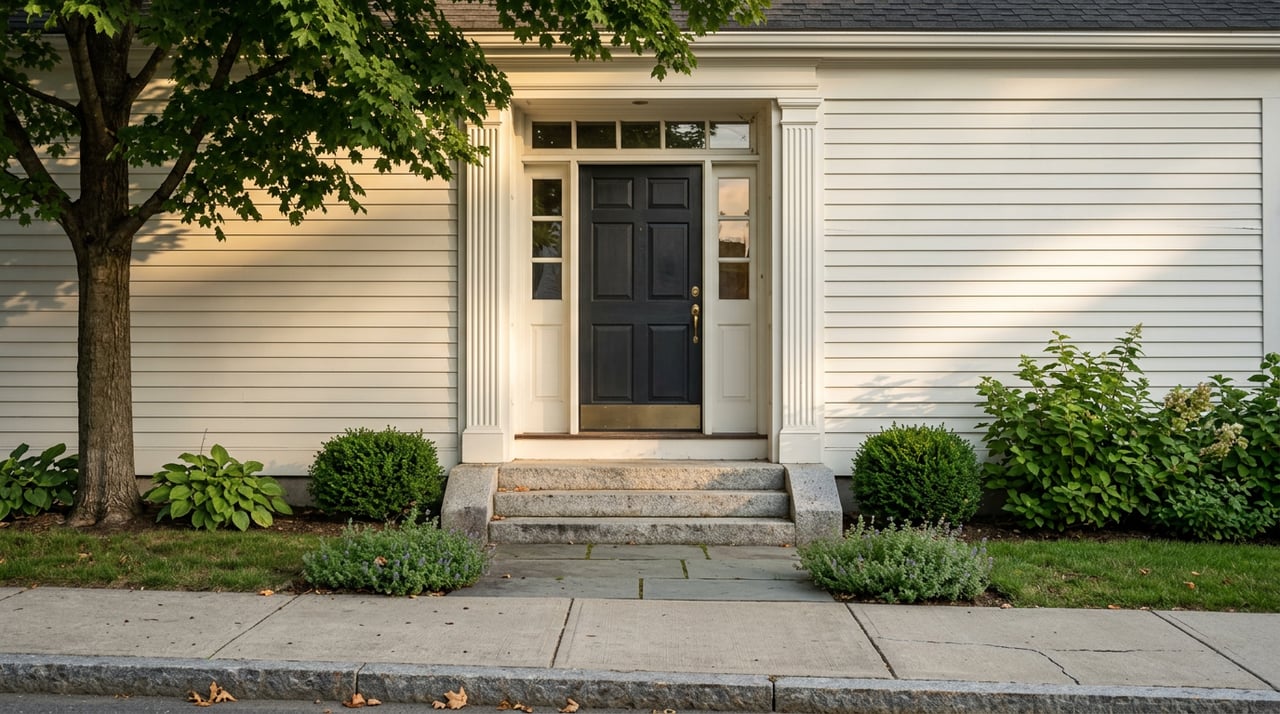
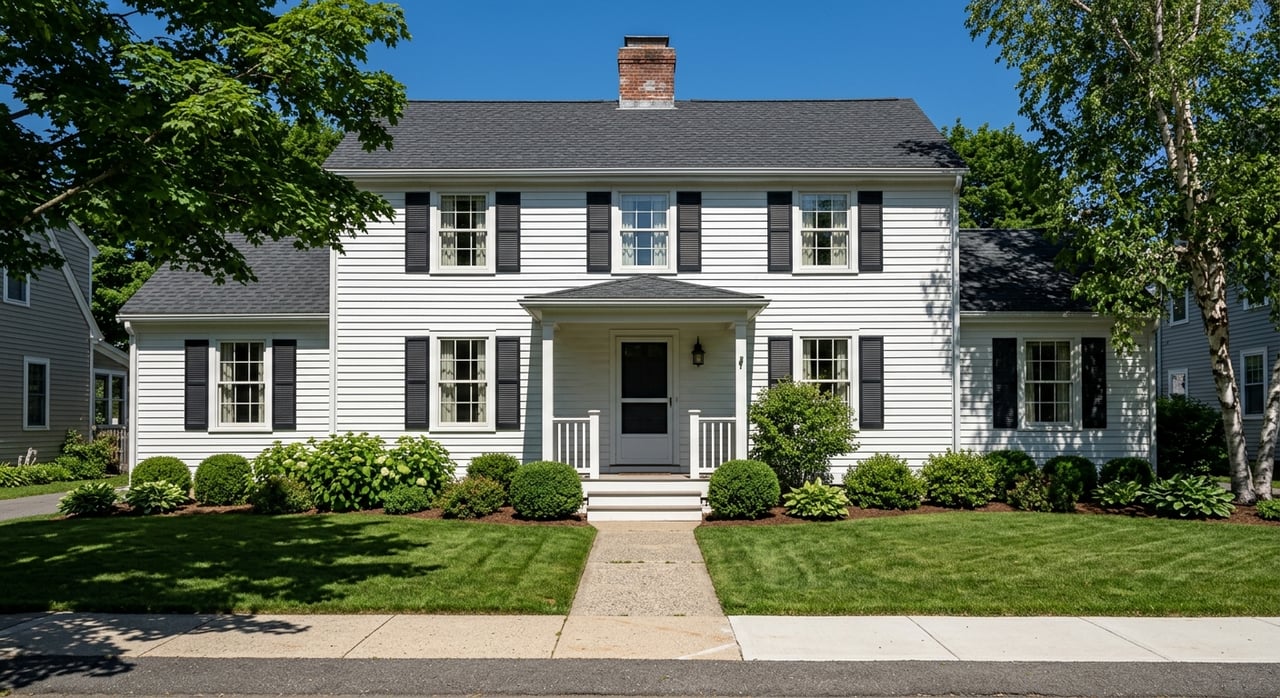
If you are picturing large new condo towers or a typical subdivision, downtown Gardiner may surprise you. The area is shaped by its 19th-century growth, and the building stock reflects that history. Buyers are more likely to come across older properties, mixed-use buildings, renovated historic spaces, and homes on nearby side streets than brand-new planned developments.
The historic district includes a wide mix of architectural styles, including Greek Revival, Italianate, Romanesque Revival, Queen Anne, Mansard, Colonial Revival, Neo-Classical Revival, and Art Deco examples. For you as a buyer, that often means more visual character, more unique floor plans, and more variety from one property to the next. It can also mean you will want to look closely at upkeep, updates, and renovation potential.
Just beyond the commercial core, the housing story changes a bit. Streets uphill from Water Street and areas near Gardiner Common tend to feel more residential while still staying close to downtown amenities. That gives you options if you want in-town convenience with a somewhat quieter setting.
Historic character comes with rules
One of the biggest things to understand about buying near downtown Gardiner is that historic character is not just a backdrop. In the Historic District, exterior development proposals are reviewed by the city’s Historic Preservation Commission. The commission’s role is to help protect the city’s historical and architectural character.
For you, that means changes to the outside of a property may involve more review than they would in a newer neighborhood. If you are drawn to an older home or building because of its charm, it is smart to also think about what future projects might require. A beautiful historic property can be a great fit, but it helps to go in with clear expectations.
Walkability is part of the appeal
One reason buyers are drawn to downtown Gardiner is simple: you can do more without getting in the car. The city specifically describes downtown as walkable, with shops, services, events, and nearby riverfront recreation. That is a meaningful lifestyle advantage if you value convenience and connection to the community.
Instead of driving across town for every errand or outing, you may be able to step out your door and head toward Water Street, the waterfront, or nearby gathering spots. In a smaller city, that kind of accessibility can make everyday life feel easier and more enjoyable.
For many buyers, the appeal is not just about saving time. It is also about atmosphere. A walkable downtown tends to feel more active, more social, and more connected to the rhythm of local life.
Riverfront access adds everyday value
Living near the Kennebec is not only about the view. Gardiner’s Waterfront Park offers scenic river access along with boat and kayak launches and trails used for boating, fishing, birdwatching, and recreation. That gives downtown living a strong outdoor component that many buyers do not expect from an in-town setting.
If your ideal lifestyle includes being close to the water without feeling isolated, this area checks an interesting box. You can enjoy downtown amenities while still having easy access to outdoor recreation. That blend is part of what makes Gardiner stand out in Kennebec County.
The downtown area also includes the Gardiner Dog Park between Water Street and Cobbossee Stream. Details like that reinforce how closely the river edge and everyday amenities are woven into the fabric of the neighborhood.
Arts, dining, and events shape the lifestyle
A downtown home is about more than the property itself. It is also about what is happening around you, and Gardiner has a strong civic and cultural rhythm for a city of its size. The local event calendar includes gatherings like Artwalk Gardiner and the Parade of Lights, both tied closely to the downtown area.
Artwalk Gardiner, launched in 2005, now holds three events each year in Historic Downtown Gardiner. Johnson Hall Opera House on Water Street adds another layer, serving as a performing arts center and identifying itself as the oldest opera house in Maine. If you enjoy being near arts and local events, that is part of the draw.
Dining and creative spaces are also part of the downtown experience. Gardiner Main Street highlights spots like A1 Diner, Monkitree, Spindleworks, Alan Claude Gallery, and The Depot Sports Pub. For a buyer, that means the neighborhood offers more than scenery. It supports a lifestyle with places to eat, gather, and explore close to home.
Downtown core versus nearby side streets
Not every home near downtown Gardiner offers the same experience. The Water Street core is the most immediate expression of downtown living, with a compact layout, historic commercial buildings, and direct access to restaurants, galleries, events, and the waterfront. If you want to be in the center of the action, this is likely the area that fits best.
Blocks uphill and beyond downtown have a different feel. Gardiner Common, located just up the hill, adds green space and a more residential setting. The city’s planning documents also point to nearby streets and historic properties on roads such as Brunswick Avenue, Lincoln Avenue, Dresden Avenue, Dennis Street, and Maine Avenue, which helps show how quickly the environment can shift from downtown-commercial to neighborhood-oriented.
That distinction matters because your best fit depends on your priorities. If you want to walk out your door and feel immersed in downtown life, the core may be the better match. If you want to stay close to Water Street while having a quieter home base, the uphill and nearby residential streets may be worth a closer look.
Who may enjoy this area most
Downtown Gardiner tends to appeal to buyers who care as much about lifestyle as square footage. If you value historic details, walkability, local events, and access to the riverfront, this area offers a mix that can be hard to find elsewhere. It may also appeal to remote or relocation buyers who want a compact, character-rich setting with a strong sense of community.
It can also work well if you want practical regional access. The city highlights access to both I-295 and the I-95 Maine Turnpike, and Census data shows a mean commute time of 27.8 minutes. That supports Gardiner’s role as a small-city base with connections to Augusta and the broader central Maine region.
Gardiner is also a small city with a mixed housing profile. The Census Bureau estimates 6,160 residents in 2024, and the city has a 67.6% owner-occupied rate, a median owner-occupied home value of $198,100, and a median gross rent of $927. Those figures suggest a market that includes both ownership and rental opportunities, depending on your goals.
What to consider before you buy
Before you focus only on charm and location, make sure you think through the practical side of downtown living. Older properties can come with unique layouts, maintenance needs, and renovation questions. If a home is within the Historic District, exterior work may involve additional review.
You should also think about what kind of daily rhythm fits you best. Some buyers love being near events, dining, and foot traffic, while others prefer a little more separation from the downtown core. The good news is that Gardiner gives you both options within a relatively small area.
A local real estate guide can help you compare those choices in a more grounded way. That is especially helpful if you are relocating, buying from a distance, or trying to balance lifestyle goals with renovation plans and commute needs.
If you are exploring downtown Gardiner or homes near the Kennebec, working with a team that knows central Maine can make the search feel much clearer. Hoang Realty brings local knowledge, personalized guidance, and a community-first approach to help you find the right fit.
FAQs
Is downtown Gardiner walkable for daily living?
- Yes. The city describes downtown Gardiner as walkable, with shops, services, events, and nearby riverfront recreation clustered around the core.
Do historic district rules affect homes in downtown Gardiner?
- Yes. In the Historic District, exterior development proposals are reviewed by Gardiner’s Historic Preservation Commission.
What is the difference between Water Street and nearby residential areas in Gardiner?
- Water Street is the compact commercial core tied closely to the riverfront, while areas uphill near Gardiner Common and nearby side streets tend to feel more residential and quieter.
What kinds of homes can you expect near downtown Gardiner?
- Buyers are more likely to find older, character-rich buildings, mixed-use properties, renovated historic spaces, and nearby homes on side streets than large modern condo developments.
Does downtown Gardiner offer access to outdoor recreation?
- Yes. Waterfront Park includes river access, boat and kayak launches, and trails used for recreation such as boating, fishing, and birdwatching.
Is Gardiner a practical location for commuting in central Maine?
- Yes. The city highlights access to I-295 and I-95, and Census data shows a mean commute time of 27.8 minutes.