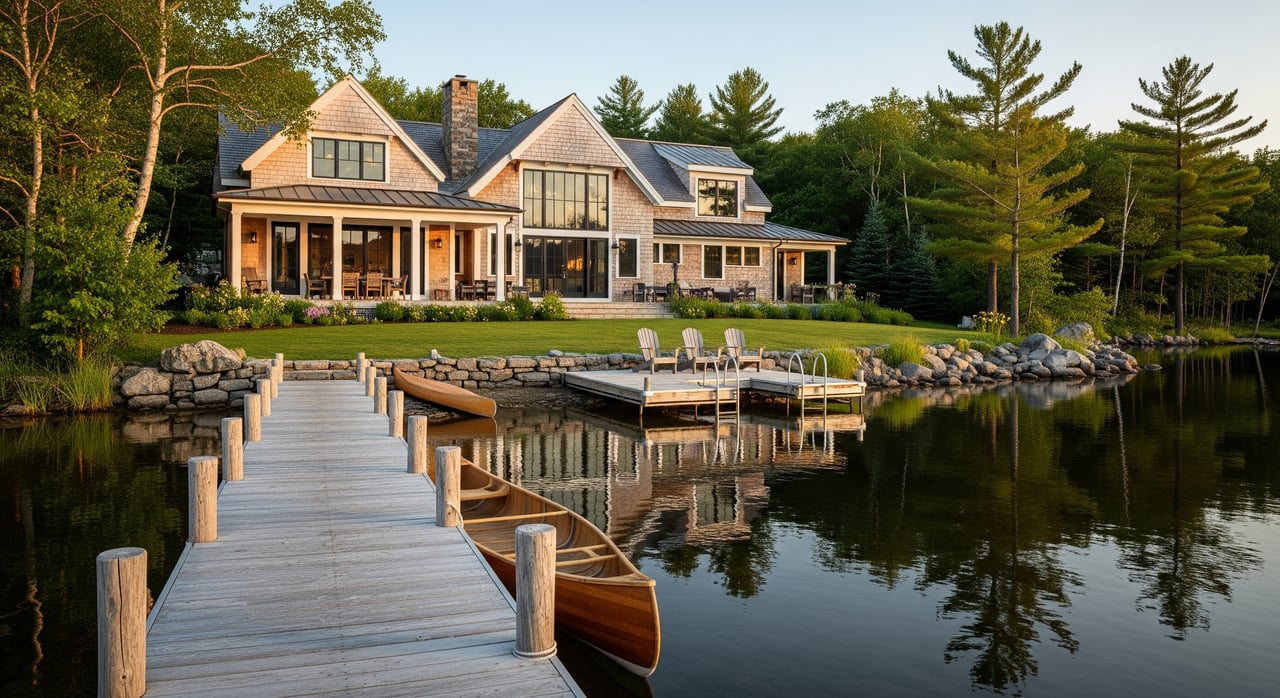
Dreaming of mornings on the water, easy paddle sessions after work, and crisp winter sunsets over the ice? If you are considering a home on Monmouth’s Tacoma Lakes, you are not alone. Lakefront living here blends small‑town calm with four‑season recreation, but it also comes with rules, inspections, and costs that are unique to shoreline properties. In this guide, you will learn how life on the Tacoma Lakes really works, the permits and tests to plan for, and the smart steps to buy or sell with confidence. Let’s dive in.
Why Tacoma Lakes appeal
The Tacoma Lakes sit within Monmouth in Kennebec County, part of central Maine’s classic lake region. You will find a mix of seasonal camps and year‑round homes, with wooded lots and coves that feel both private and connected to a friendly community. Summers are warm and active on the water. Winters bring quiet, with ice activities that many residents look forward to each season.
Because shoreline is limited, lake homes often hold value and attract steady interest. That said, every lakefront parcel is different. Access rights, shoreline conditions, and utility setups vary from property to property. Knowing how to evaluate those details is key to a good decision.
Tacoma Lakes lifestyle
Daily life centers on the water. Boating, kayaking, swimming, and fishing are common in summer. In winter, you may see ice fishing and snowmobile activity when conditions allow. Local fishing and boating rules come from the state. If you plan to fish, check current regulations with the Maine Department of Inland Fisheries and Wildlife before you head out.
You will meet both year‑round neighbors and seasonal residents. Many lakes have volunteer groups or lake associations that coordinate stewardship and share updates about water quality and invasive species awareness. Ask about any active association if you are considering a specific shoreline or cove.
Access and everyday essentials
Before you fall in love with a view, confirm how you get to the water. Some homes have direct frontage. Others rely on deeded rights, shared beaches, or an association lot. Public boat launches, if present, can be limited and should be confirmed with the town.
Utilities also vary around the lakes. Many properties use private wells and septic systems. Internet and cell coverage can differ by provider, so verify service that fits your work and streaming needs. If a home is currently seasonal, plan for upgrades to make it comfortable year‑round.
Shoreland zoning basics
Maine’s shoreland zoning protects water quality and habitat. Monmouth follows the state’s model, which sets rules on setbacks, vegetation clearing, lot coverage, and shorefront structures. The exact standards depend on the local ordinance and your property’s location relative to the water.
- Expect limits on how much shoreline vegetation you can remove.
- New or expanded structures within shoreland areas usually need permits.
- Shoreline stabilization and tree removal often require review and best practices.
Start with Monmouth’s planning or land use office, and review state guidance from the Maine Department of Environmental Protection to understand what is allowed before you plan a project.
Septic and well tests
Septic and water systems deserve close attention on any lakefront home. Systems near the shoreline can face shallow soils or high groundwater. Older systems may be undersized or near the end of their useful life.
- Hire a licensed professional to inspect the septic system, request pump‑out and maintenance records, and verify permits for any replacements.
- Test the private well for bacteria and nitrate. Water quality can change with seasons. The Maine Center for Disease Control and Prevention offers guidance on private well testing.
Make these inspections a contingency in your offer. The results can affect both your budget and your timeline.
Invasive species awareness
Maine lakes work hard to prevent invasive aquatic plants and animals. Eurasian watermilfoil is one example that can affect recreation and water quality if not controlled. Local associations and volunteers often monitor for early signs and may organize boat‑cleaning stations and education.
Ask sellers and associations about recent surveys, any confirmed invasive species, and whether management plans or homeowner assessments are in place. Early information helps you plan for future costs and stewardship responsibilities.
Flooding, erosion, and insurance
Even if a parcel is not in a FEMA Special Flood Hazard Area, lakes can experience high water events or shoreline erosion that affect docks and shore structures. Check FEMA Flood Insurance Rate Maps and discuss coverage with your insurer.
- Review your parcel on the FEMA Flood Map Service Center to understand flood risk.
- Ask your insurance agent about flood, wind, ice, and water damage coverage for seasonal or secondary homes.
- If erosion is a concern, inquire about any past stabilization permits and best practices.
Docks, boathouses, and moorings
Rights to install and maintain docks or moorings depend on your shoreline, local rules, and state regulations. Many docks on the Tacoma Lakes are seasonal and must be removed or secured before winter ice.
- Confirm whether an existing dock conveys with the sale.
- Ask for any dock permits, mooring registrations, or riparian rights documentation.
- If you hope to add or expand a dock, check with the town and review state guidance with the Maine DEP before you plan.
Market dynamics and financing
Lakefront homes typically carry a premium due to limited supply and lifestyle appeal. Listings and buyer activity often increase in spring and early summer. Appraisals can be more complex because lakefront comparables are limited, and unique features like shoreline quality or a permitted dock can influence value.
- Get pre‑qualified with a lender familiar with Maine lake properties.
- Discuss insurance requirements early, including flood where applicable.
- Work with a local agent who can pull recent Tacoma Lakes comparables and explain seasonal market patterns.
Cost planning and seasonality
Owning on the water includes added upkeep. Building a realistic budget will help you enjoy the lake without surprises.
Typical costs to plan for:
- Septic pump‑outs, inspections, and potential upgrades
- Seasonal dock installation and removal
- Winterization of plumbing and HVAC
- Shoreline and vegetation maintenance
- Invasive species management fees, if applicable
In winter, plan for heat, freeze protection, and safe access if your road is private. Ask about snow removal, power reliability, and any local winter recreation that affects lake traffic.
Buyer checklist for Tacoma Lakes
Use this quick list as you evaluate homes:
- Confirm the exact lake name and the type of access your deed provides, whether direct frontage, deeded rights, or association access.
- Obtain Monmouth’s shoreland zoning map and ordinance for your parcel.
- Order a licensed septic system inspection and request maintenance and permit records.
- Test the private well for bacteria and nitrate, and review guidance from the Maine CDC.
- Ask about invasive species monitoring, recent surveys, and any homeowner assessments.
- Verify documentation for docks or moorings and any riparian rights agreements.
- Check your parcel on the FEMA Flood Map Service Center, then speak to an insurer about coverage and premiums.
- Request recent property tax bills and ask about association dues or planned assessments.
- Confirm internet and cellular coverage with providers for year‑round needs.
- Work with a lender experienced in Maine lake properties, and share details for appraisal support.
Seller checklist to prepare your lake home
A little preparation can shorten time on market and build buyer confidence.
- Gather septic records, water tests, dock permits, association minutes, and recent tax bills.
- Disclose known issues such as shoreline erosion, invasive species presence, or access disputes.
- Consider pre‑listing inspections for septic, well, and structure to reduce contingencies.
- Share community information, including any lake association contacts and typical launch locations, so buyers understand the local context.
How Hoang Realty helps
You deserve guidance that is local, clear, and proactive. At Hoang Realty, you get a boutique, team‑based approach backed by deep Kennebec County experience. For sellers, our included marketing presents your shoreline setting at its best, with professional photography, floorplans, and complimentary Hommati 3‑D tours that help remote buyers see the lifestyle. For buyers, we help you evaluate access rights, shoreland zoning, septic and well results, and seasonal costs so you can make a confident decision.
If you are ready to explore Tacoma Lakes homes or plan a sale, connect with Hoang Realty. We will help you move forward with a clear plan.
FAQs
What should I know about Tacoma Lakes regulations?
- Shoreland zoning sets rules for setbacks, clearing, lot coverage, and shore structures. Start with Monmouth’s ordinance and review the Maine DEP guidance before planning any work.
How do I verify my lake access in Monmouth?
- Review your deed for frontage, deeded rights, or association access, and ask the town or a title professional to confirm easements and any restrictions.
Are docks included when I buy a lake home?
- Sometimes. Confirm in writing whether the dock conveys, and request any permits or registrations. Ask about seasonal removal requirements and condition.
What inspections are essential for lakefront homes?
- A licensed septic inspection, private well water test, and a review of shoreland zoning compliance are high‑priority. Add flood zone review on the FEMA map site.
How are fishing and boating rules set on the Tacoma Lakes?
- State regulations apply. Check seasons, species, and boating rules with the Maine Department of Inland Fisheries and Wildlife before heading out.
Could invasive species affect ownership costs?
- Yes. Ask sellers or associations about surveys, confirmed species, and any management plans or assessments so you can factor costs into your budget.