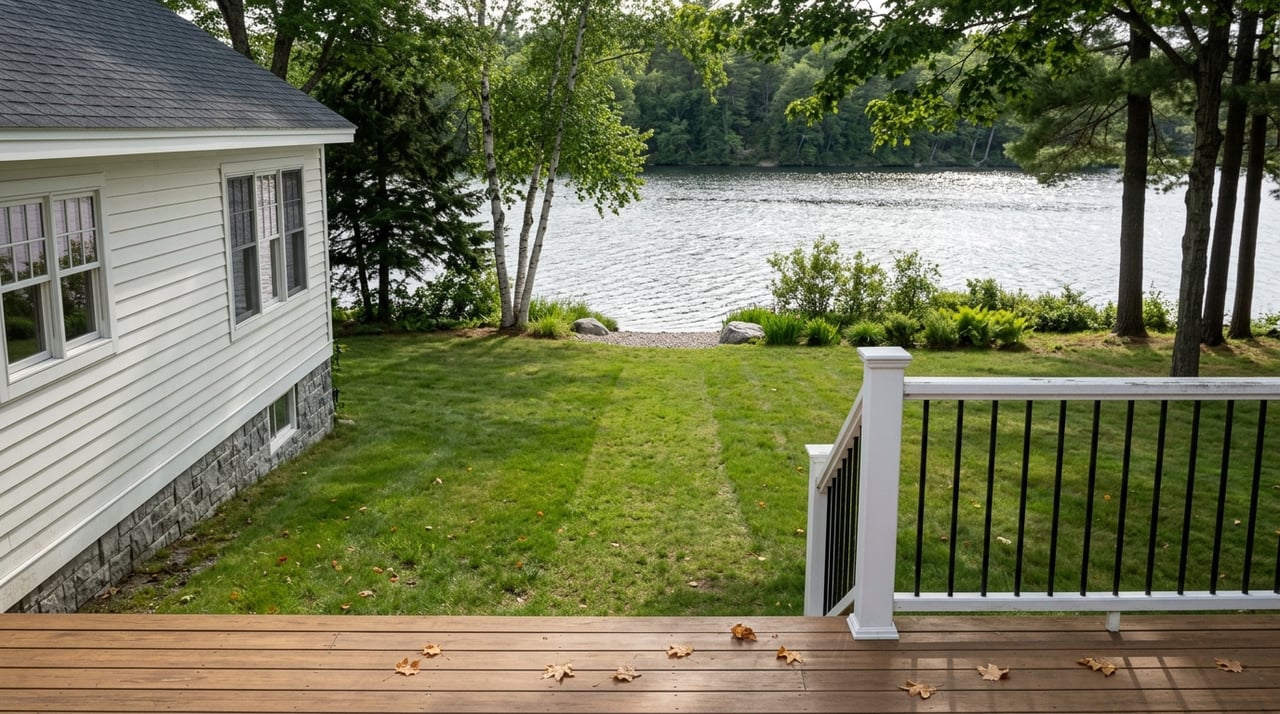
Thinking about turning a Monmouth lake property into a rental but not sure if a short stay model or a year-long lease is the better fit? You are not alone. Around the Tacoma Lakes in Monmouth, the choice between vacation-style bookings and traditional tenancy can look very different once you factor in seasons, rules, tax, and upkeep. In this guide, you will see how demand ebbs and flows on these lakes, what regulations matter most, and how to compare the numbers so you can choose the path that matches your goals. Let’s dive in.
Why Tacoma Lakes attract renters
The Tacoma Lakes cluster spans Monmouth and Litchfield and includes Buker (often called Bunker) Pond, Jimmy Pond, Little Purgatory Pond, Sand Pond and Woodbury Pond. These connected waters offer boating, paddling and swimming in summer, along with quiet shoulder seasons that still draw visitors.
A local nonprofit, the Tacoma Lakes Association, actively stewards water quality and coordinates with towns on launches and dam needs. That kind of organization supports guest confidence and helps protect long-term property value. Local news has also highlighted funding pushes for boat inspection programs that help prevent invasive species, which is another signal of organized summer use and visitor demand around launch areas. You can read about those efforts in this Central Maine report on boat inspections.
If you are weighing a purchase, Monmouth single-family sales have typically traded in the low-to-mid hundreds of thousands in recent snapshots, which helps frame the capital required for lakefront and near-lake investments. See recent activity on Homes.com’s Monmouth sold listings.
How demand shifts by season
Short-term rental demand on the Tacoma Lakes follows a clear seasonal curve.
- Peak season: June through August is your strongest window for weekend bookings and premium nightly rates. Local lake association and launch schedules focus efforts on summer weekends, and the weather aligns with family vacations and boating.
- Shoulder seasons: May and September into October can still generate shorter stays from foliage seekers, anglers and quiet retreat guests, though average daily rates and occupancy usually dip from summer highs. The state’s foliage guidance flags October as a notable draw in central Maine; see the official fall foliage timing page.
- Winter: Expect lower occupancy. Some properties that are insulated and heated can capture niche demand like ice fishing or holiday weeks. Many owners plan for heavy summer revenue and accept lighter winter calendars.
What this means for you: STR income is seasonal, with a large share of revenue often concentrated in a 12 to 14 week summer window. LTR income is steadier month to month, which reduces volatility but caps your upside in those peak summer weeks.
STR vs LTR: the financial picture
Before you choose a model, compare how income and expenses behave.
Short-term rentals (STR)
- Revenue: Nightly rate times occupancy. Higher gross potential in summer, softer off-season.
- Costs: Cleaning and linen every turnover, guest supplies, utilities and internet, platform fees, and specialized STR insurance. If you hire a professional STR manager, expect materially higher fees than long-term management.
- Management intensity: High. Guests expect fast replies, smooth check-in, clear house rules and reliable support.
Industry sources show STR manager fees often range from the mid-20s percent to around 40 percent of booking revenue depending on service level. By contrast, long-term management fees usually run in the single digits to low teens. For a deeper look, see this overview of typical property management fee ranges.
Long-term rentals (LTR)
- Revenue: Monthly rent that is consistent and simpler to forecast.
- Costs: Lower turnover frequency, landlord insurance, ongoing maintenance, and typically lower management fees. You still need a reserve for repairs and vacancy.
- Management intensity: Moderate. Leasing, screening and periodic inspections are the main tasks between routine maintenance.
Bottom line: STR can out-earn LTR in total dollars if you capture peak weeks and manage costs, but your cash flow will swing with the seasons and operations are more demanding. LTR offers stability with less hands-on work but gives up the high-revenue weeks that summer can bring.
Taxes and rules you must know
Regulation and compliance affect both models, especially along the shore.
Maine lodging tax for STRs
Maine taxes rentals of lodging at a specific rate under Sales and Use tax. The current statewide lodging rate is outlined by Maine Revenue Services; review the Sales & Use tax rates page and confirm your collection and filing obligations.
If you list on platforms like Airbnb or VRBO, those companies are treated as marketplace facilitators in Maine. They often collect and remit state lodging tax on platform bookings, but you should still register and verify what is being filed under your account. Read Maine’s marketplace facilitator FAQ and confirm how it applies to your setup, especially if you also accept direct bookings.
Shoreland zoning and lakefront limits
Maine’s Mandatory Shoreland Zoning program requires municipalities to regulate development within shoreland zones, generally within 250 feet of great ponds. These rules affect setbacks, docks, vegetation clearing, wastewater, and permitted uses. Always check whether a property lies within Monmouth’s shoreland zone and what that means for occupancy and improvements. Start with the Maine DEP’s shoreland zoning guidance and follow up with the Monmouth Town Office or Code Enforcement for property-specific questions.
Septic capacity and transfer practices
Wastewater systems are a practical limiter for lake rentals. On shoreland properties, septic disclosures and existing system inspections are common on transfer, often using the HHE-240 form. Your septic design and condition can cap your permitted occupancy. Review inspection history and plan for repairs if needed. For context on what to look for, see this overview of septic and well compliance practices and speak with local inspectors.
Lake association expectations
Owners around the Tacoma Lakes should plan for local stewardship norms. The Tacoma Lakes Association coordinates boat inspections and works with towns on dam and launch issues. These efforts support a clean, usable lake experience for guests. They can also shape access protocols for launches and docks, and may involve dues or volunteer expectations. Ask about current rules before you advertise amenities.
Lakefront upkeep and operating realities
Waterfront properties are special, and they carry unique holding costs.
- Dock and shoreline care: Docks require seasonal install and removal, periodic repairs, and sometimes permits. Shoreline stabilization and vegetation rules guide what you can change.
- Winterization: If you shut down for winter, budget to drain lines, service heating systems, and secure the property. If you operate year-round, plan for snow and ice management.
- Utilities and internet: STR guests expect fast internet and clear instructions for any lake-related systems, such as pumps or filters. In LTRs, tenants typically handle utilities, but confirm what is customary in your lease.
- Insurance: Many standard homeowners policies exclude commercial hosting use. STRs often need dedicated vacation rental or commercial endorsements. Platforms may offer host protections, but those are not a substitute for a proper policy. Review this primer on STR insurance differences and request quotes for both STR and landlord coverage so you can compare premiums.
Underwriting: the numbers to gather
Because public STR data by lake is limited, plan to assemble local inputs before you commit.
- STR inputs: Average daily rate by month, occupancy by month, average length of stay, cleaning and laundry cost per turnover, platform fee impact, and an STR insurance quote. A local manager or a paid STR analytics tool can supply ADR and occupancy curves for comparable Tacoma Lakes listings.
- LTR inputs: Current monthly rents for similar homes in the Monmouth, Winthrop and Augusta areas, typical vacancy periods, and standard management fees.
- Acquisition context: Use recent Monmouth sold data to confirm purchase budgets and exit comps. The Monmouth sold listings snapshot can help frame expectations.
Build two pro formas. For STR, annualize revenue by multiplying ADR and occupancy by month, then stress test a softer shoulder season and minimal winter bookings. For LTR, use a conservative rent minus management, taxes, insurance and a fixed maintenance reserve. Compare net annual income, not just peak weekly STR totals.
When STR makes sense vs LTR
Every property and owner profile is different, but these rules of thumb can help.
Choose STR if you:
- Want to maximize gross income from June through August and can manage or outsource intensive operations.
- Own or can buy a property with strong lake access, clear amenity descriptions, and appealing visuals that market well online.
- Can comply with lodging tax and shoreland requirements, and have septic capacity that supports your target guest count.
Choose LTR if you:
- Prefer steady month-to-month income and lower day-to-day management.
- Value fewer turnovers, predictable expenses, and more durable occupancy through the winter.
- Are comfortable with lower peak-season upside in exchange for stability.
Quick checklist before you buy or convert
Use this to de-risk your decision in Monmouth and the Tacoma Lakes area.
- Regulatory and tax
- Confirm whether the property lies in shoreland zoning and what local rules apply. Start with Maine DEP’s shoreland zoning overview.
- Register with Maine Revenue Services and confirm who collects and remits the 9 percent lodging tax on each channel. Review the Sales & Use lodging rate and the marketplace facilitator FAQ.
- Property suitability
- Verify septic capacity and inspection history. Request any HHE-240 reports and budget for repairs if needed. See this context on septic compliance practices.
- Ask the Tacoma Lakes Association about current launch access, dock rules and any dues or expectations.
- Operating plan
- STR: price out professional cleaning, linens, photography, and whether you will self-manage or hire a manager. Compare quotes to the typical fee ranges by model.
- LTR: confirm market rent, expected vacancy, and standard management fees in Monmouth and nearby towns.
- Budget reserves
- Set aside funds for dock and shoreline work, seasonal maintenance and winterization, septic and well repairs, and the premium difference between STR and landlord insurance.
- Exit options
- Consider whether the home can function as either STR or LTR. Flexibility can make resale smoother for a broader set of buyers.
Marketing that moves the needle
If you lean toward STR, professional presentation drives bookings. Clear photos of the shoreline and dock, a precise amenity list, and honest seasonal notes help you price and convert traffic. If you plan to sell a lake property in the future, high-quality visuals and floorplans can also boost exposure and perceived value.
For LTRs, focus on accurate descriptions, fair and compliant screening, and clean, well-maintained spaces. Tenants respond to clarity on parking, access, and any dock use rules tied to local association expectations.
The bottom line for Monmouth lake investors
You are choosing between a higher-upside, higher-effort summer-driven STR model and a steadier, simpler LTR approach. On the Tacoma Lakes, summer demand is real, lake stewardship is active, and shoreland rules matter. If you collect the right local numbers, confirm septic and shoreland constraints, and model both paths, you can make a confident call that fits your timeline and risk tolerance.
If you would like local input on specific properties, current rent ranges, or introductions to trusted vendors, our team can help you map the next steps. Reach out to Hoang Realty for investor-minded guidance and rental and property management support in and around Monmouth.
FAQs
What months have the strongest short-term demand on the Tacoma Lakes?
- June through August are typically the busiest for lake stays, with shoulder interest in May and September into October when fall foliage draws visitors.
What Maine taxes apply to a short-term Monmouth lake rental?
- Rentals of lodging are subject to Maine’s Sales and Use lodging tax. If you use booking platforms, confirm whether they collect and remit tax and register with the state for your filings.
How does shoreland zoning affect a Monmouth lake rental?
- Shoreland rules guide setbacks, docks, vegetation and wastewater near great ponds. Always check whether your parcel is in the shoreland zone and confirm permitted uses and any needed approvals.
What are typical management fees for STR vs LTR in Maine?
- STR managers often charge a significantly higher percentage of booking revenue due to guest operations, while long-term management typically runs in the single digits to low teens of monthly rent.
Why does septic capacity matter for a lakefront rental?
- Your system’s design and condition can limit permitted occupancy. Reviewing HHE-240 reports and scheduling inspections helps you set realistic occupancy and budget for any repairs.