Are you eyeing a home down a quiet lane in Sidney but unsure what it means if that road is private? You are not alone. Private roads can offer privacy and charm, yet they also come with responsibilities that affect daily life, costs, financing, and resale. In this guide, you will learn how private roads work in Sidney, what to review before you buy, and how to avoid the common surprises that can derail a closing. Let’s dive in.
What a private road means in Sidney
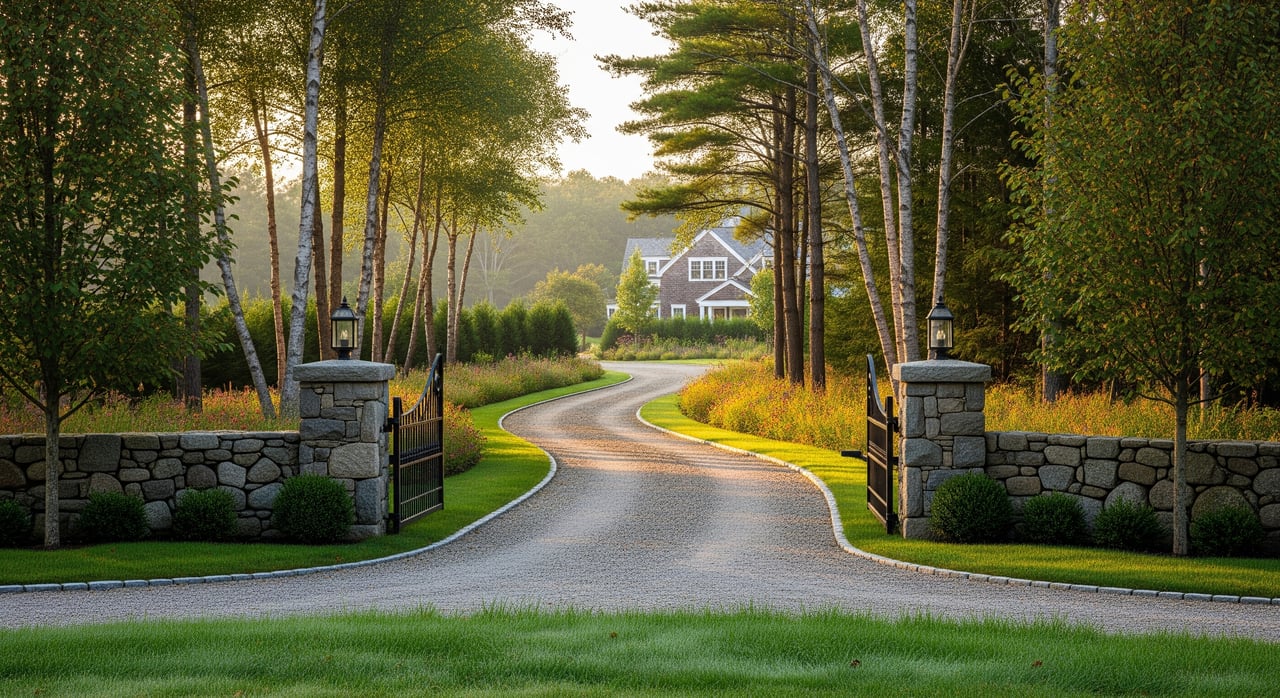
A private road is any way not accepted and maintained by the Town of Sidney. Ownership can be shared by abutting landowners, held by a road or homeowners association, or owned by a single private party. Some roads are run by formal associations with bylaws and budgets. Others rely on informal cost sharing.
This matters for you because maintenance, access, assessments, and municipal services often fall on the owners or the association. If the road is not on the Town’s list of public ways, the town typically does not plow or repair it. You should confirm a road’s status with the Sidney Town Office or Road Commissioner during your due diligence.
Why it matters for buyers
Private road status can affect:
- Daily access in winter and after storms.
- Your share of ongoing maintenance and capital repairs.
- Eligibility for some municipal services and routing standards.
- Financing, title insurance exceptions, and closing timelines.
In Maine, towns may accept a private way as public through local procedures, but that process can require upgrades and formal approvals. Do not assume future public acceptance.
Due diligence: documents to collect
Ask for these records early, ideally before you finalize your offer:
- Deed and parcel maps. Confirm legal access and any recorded easements at the Kennebec County Registry of Deeds.
- Title commitment and exception notes. Ask your title company to flag any road-related exceptions or unrecorded agreements.
- Road maintenance agreements. Look for recorded agreements or written contracts that spell out responsibilities and cost-sharing.
- Association documents. If there is an association, request articles or incorporation, bylaws, covenants, budgets, meeting minutes from the last 2 to 3 years, and financial statements.
- Assessment history. Review past special assessments, invoices, and how costs were allocated and collected.
- Insurance and contracts. Obtain any road liability policy, snow-plow agreements, and grading or paving contracts.
- Town correspondence. Verify whether the road is listed as a public way and collect any town records that reference the road.
- Permits and engineering reports. Ask for culvert or drainage permits and any engineer assessments or reserve studies.
- Taxes and liens. Confirm there are no outstanding municipal liens on common areas or the road.
- Emergency access confirmations. It is wise to get written input from local fire and EMS on accessibility for their vehicles.
On-site checks and questions to ask
Walk or drive the full length of the road and note:
- Surface and drainage. Look for potholes, ruts, crown, ditching, and culvert condition.
- Steep or narrow segments. Confirm the presence of safe turnarounds.
- Gates or barriers. Ensure you have clear legal access where gates exist.
- Utilities and mail. Confirm availability for electric, fiber or cable, and whether USPS delivers to the home or uses centralized boxes.
Key questions to ask neighbors or association leaders:
- Who plows, and how soon after a storm? Who sands or handles ice control?
- Who oversees grading, re-graveling, and culvert replacement?
- How are emergency repairs approved and paid for?
- Are there plans or quotes for near-term capital work?
Red flags to watch
- No written maintenance agreement or an agreement that is vague or outdated.
- Repeated special assessments with little or no reserve fund.
- Financial records that show collection problems or negative balances.
- Roads crossing wetlands or streams without permits, or with ongoing drainage issues.
- Ambiguous easement descriptions on title or plat maps.
- Reports of the road being impassable in winter or after storms.
Costs and liabilities to expect
Private road costs typically fall into five buckets:
- Routine maintenance. Grading, re-graveling, dust control, and minor drainage work.
- Winter maintenance. Plowing, sanding, and snow hauling where needed.
- Capital repairs. Culvert replacement, major drainage improvements, paving, or reconstruction.
- Administrative and operational. Association dues, bookkeeping, legal expenses, and insurance.
- Special assessments. One-time charges when reserves cannot cover a major repair.
What drives cost for your share:
- Road length and how many properties contribute.
- Surface type and condition. Paved roads often have higher capital needs.
- Maine winters, freeze-thaw cycles, and topography.
- Heavy vehicle use, such as garbage trucks or construction equipment.
- Maintenance history and strength of reserve funds.
Lenders and insurers may review access and road condition. Some may require certain standards for approval. Ask your title company how the policy treats private road matters and what exclusions apply.
Liability can involve owners or the association if accidents occur on the road. Clear contracts with plow and maintenance contractors should outline indemnities, repair standards, and responsibility for damage.
Winter access and municipal services
Reliable winter access is essential in the Sidney area. Confirm standards for plowing, sanding, and timing after storms. Clarify who is responsible for ice control and whether sand or chemicals are used, especially near water resources.
Municipal services may be limited on private roads. School bus routing, emergency response, and some municipal services can depend on road standards like turnarounds, width, and grade. Check with the Town of Sidney and the local school district to understand any requirements that apply to your road.
For emergency access, ask the local fire department about known constraints such as narrow sections or tight turns. Adequate turning radii and clear access can reduce response time and support insurability.
Environmental and drainage responsibilities
Owners on private roads are generally responsible for ditches, culverts, and erosion control. Work that affects streams, wetlands, or shoreland zones may require permits. In Maine, drainage and culvert projects can trigger Maine DEP or local permitting. Poor drainage can damage septic systems, foundations, or nearby properties, so confirm who maintains culverts and drainage rights.
Associations: how they work
Associations vary from informal cost-sharing groups to incorporated nonprofits with bylaws and enforcement. The structure affects how assessments are collected and what legal remedies exist if someone does not pay. Incorporated associations usually keep minutes, maintain budgets, and hold reserve funds.
Documents to review closely:
- Articles of incorporation and registered agent records if the association is incorporated.
- Bylaws that define voting rules, assessment procedures, and quorums.
- Reserve policies and current balances.
- Collection and enforcement terms, including late fees, interest, and lien authority.
- Member rights to inspect financial and meeting records.
Membership obligations typically transfer with the property, including any unpaid or upcoming assessments. Check how votes are allocated and how special assessments are approved, since this affects your influence on future decisions.
Negotiation and closing tips
Pre-offer and inspection stage:
- Make road documents and association financials a contingency in your offer.
- Include an access and road condition contingency for inspection and document review.
- Consider hiring an independent road contractor or engineer if the road appears to need significant work.
At contract and closing:
- Require the seller to provide all maintenance agreements and a statement of unpaid assessments.
- Clarify on the closing statement how association dues and any pending special assessments will be prorated.
- Coordinate early with your lender and title company to address access and title exceptions.
After closing:
- Confirm how to join the association and update membership records.
- Collect recent contractor contacts and invoices for plowing and maintenance.
- Keep copies of all road records for future resale and insurance needs.
Local records and who to contact
- Kennebec County Registry of Deeds. For deeds, recorded easements, and plats.
- Town of Sidney. For road inventory, public way status, ordinances, and town meeting actions related to roads.
- Maine Secretary of State. For incorporated road association filings.
- Maine DEP or local shoreland office. For permits related to culverts or drainage work.
- Local fire and EMS, plus the school district. For access and routing requirements.
- Title company and a Maine real estate attorney. For legal interpretation of access, easements, and enforcement.
- Local plow and road maintenance contractors. For cost estimates and response standards.
Your next steps
- Confirm with the Town of Sidney whether the road is public or private.
- Request and review all recorded documents, association financials, and maintenance contracts.
- Get written input from fire and EMS on access, especially for winter.
- If repairs seem likely, ask a contractor or engineer to assess the road.
- Discuss road access and condition with your lender and title company early.
If you want a local advocate to coordinate documents, ask the right questions, and keep your deal on track, reach out to the team at Hoang Realty. We pair local expertise with attentive, team-based service so you can buy with clarity and confidence in Sidney and across Kennebec County.
FAQs
What is a private road in Sidney, Maine?
- It is a way not accepted and maintained by the Town of Sidney, with maintenance and costs typically handled by owners or a road association.
How do I confirm if a road is public or private?
- Contact the Sidney Town Office or Road Commissioner and review records; also check your title commitment and deeds at the Kennebec County Registry of Deeds.
Will the town plow my private road in winter?
- Generally, if the road is not a public way, the town does not plow or repair it; winter maintenance is usually organized by owners or an association.
Can a private road become public in the future?
- Towns may accept private ways as public through local procedures, often requiring upgrades and formal approvals; there is no guarantee of acceptance.
What should I review before making an offer on a home on a private road?
- Get maintenance agreements, association documents, budgets, assessment history, insurance and contractor contracts, town records, and any permits or engineering reports.
How do private roads affect financing and insurance?
- Lenders and insurers may review access and road condition; title policies may include exceptions for private road matters, so discuss details with your lender and title company.