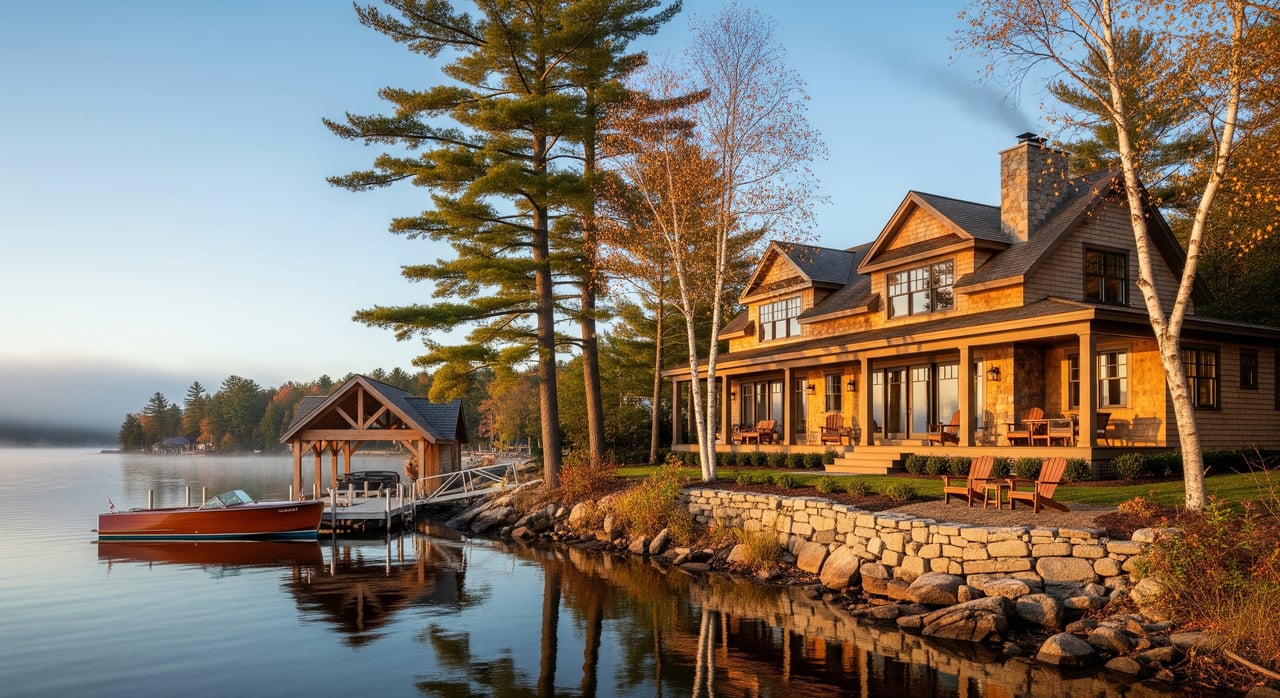
Wondering if your Maranacook Lake place should stay a summer retreat or become your full-time home? You are not alone. Many lake owners in Readfield are weighing comfort, costs, and rules as remote work and lifestyle goals shift. In this guide, you will compare seasonal and year-round living, understand key upgrades and regulations, and get practical checklists to move forward with confidence. Let’s dive in.
Maranacook Lake context
Maranacook Lake in Readfield is a central Maine favorite for boating, fishing, and quiet lakeside living. Historically, many homes around the lake were seasonal cottages. Today, more owners are upgrading for year-round use as commuting patterns change and retirees settle in Maine.
Readfield manages local services through the town office and assessor. Lakefront properties commonly use private wells and septic systems, so water quality, system capacity, and local shoreland rules matter for both seasonal and year-round owners. Proximity to Augusta supports access to services and can improve long-term market appeal.
Seasonal vs year-round: What changes
Comfort and infrastructure
- Seasonal cottages are often smaller and lightly insulated. Plumbing is drained for winter and heating can be basic, such as a wood stove or electric units.
- Year-round homes need robust insulation, permanent heat such as oil, propane, or heat pumps, and code-compliant electrical and plumbing designed for cold weather.
- Converting a camp to year-round often means insulation upgrades, heating system installation, and sometimes structural changes to meet building and life-safety codes.
Water, septic, and utilities
- Water: Most lake homes use private wells. Year-round use increases demand on well yield. Plan for regular water testing for bacteria and nitrates, plus pump and pressure checks.
- Septic: Older or undersized septic systems may have been designed for occasional use. For year-round occupancy or a sale, you may need a septic inspection, documentation of design capacity, or replacement. Maine’s subsurface wastewater rules guide septic design and permitting.
- Electricity and heat: Year-round homes benefit from reliable primary heat and a backup plan. Consider fuel delivery logistics and winter road access for service vehicles.
Access and winter reliability
- Check road maintenance, plowing arrangements, and private lane association fees.
- Confirm whether a plow turnaround exists for emergency response and delivery access in winter.
- Reliable access is critical if you plan to live on the lake during storms and freeze-thaw cycles.
Internet and remote work
- Confirm internet options early if you plan to live or work on the lake year-round.
- Service can vary by road and distance from central infrastructure.
Cost patterns and insurance differences
Operating costs
- Seasonal living typically brings lower annual utilities but requires winterization in the fall and re-opening in spring. Plan for pipe draining, water system prep, and pest prevention when the home sits empty.
- Year-round living increases heating, electricity, and maintenance expenses, but avoids recurring winterization costs.
Insurance and vacancy rules
- Homeowner insurance for seasonal or vacation properties differs from policies for primary residences. Insurers may restrict coverage during longer vacancies, sometimes 30 to 60 days.
- Ask agents about seasonal policies, vacant home endorsements, or shoreland dwelling options.
- Occupied year-round homes typically qualify for broader standard homeowner policy choices.
Financing and taxes
Mortgage basics
- Primary residence mortgages often have lower rates and down payments than second home or investment loans.
- If you plan to rent the home for short-term or long-term use, your lender may classify the property differently and require different documentation.
- Changing a property from seasonal to your primary residence can affect financing and tax considerations. Speak with a lender before you commit to a plan.
Homestead and local taxes
- Property taxes are set locally. Primary residence status can qualify you for homestead-related benefits. Rules vary, so confirm eligibility with the Readfield Assessor and Maine Revenue Services.
- If you plan to rent, be aware of any local lodging or state tax reporting requirements.
Rules to know on the lake
Shoreland zoning and permits
- Maine shoreland zoning and Readfield ordinances regulate setbacks, structure size and placement, vegetation clearing, docks, and shore work.
- Most shoreline changes, dock projects, or expansions require local permits and possibly state approvals. Contact the Readfield Code Enforcement Officer early.
Septic compliance
- Maine’s subsurface wastewater standards govern septic design, siting, and approvals. Upgrades or replacements may be required for year-round occupancy, expansions, or failing systems.
- Before buying, confirm system age, location, capacity, and permit records.
Flood maps and erosion
- Review FEMA flood maps to see if the property sits in a flood zone. Lake homes can face shoreline erosion and high water in some seasons.
- Flood zone status can influence insurance costs and lender requirements.
Short-term rentals
- Readfield may have rules or conditional use requirements for short-term rentals. Understand permits, safety code needs, septic capacity, and parking impacts before hosting guests.
Lake stewardship and invasive species
- Expect to follow boat cleaning and inspection practices to protect the lake from invasive species. The local lake association provides education and community programs.
- Responsible vegetation management and runoff control help protect water quality for everyone.
Converting a camp to year-round
Typical upgrades
- Insulation and air sealing: Walls, floors, and roof assemblies often need modern insulation levels and air barriers.
- Heating system: Install a primary system such as oil, propane, or heat pumps. Consider supplemental or backup heat for outages.
- Plumbing and electrical: Replace seasonal plumbing with code-compliant lines, vents, and fixtures. Update panels, wiring, and GFCI/AFCI protection as required.
- Windows and doors: Upgrade to energy-efficient units to reduce heat loss and improve comfort.
- Septic and water: Verify well yield and water quality. Upgrade septic capacity if the design does not support year-round use.
Permits and inspections
- Conversions can trigger building code compliance, including egress, insulation, and life safety standards. Apply for local permits and schedule inspections.
- Shoreland zoning may limit expansions or dictate how and where you improve the structure.
Planning your timeline
- Start with a code and septic review to reveal scope and sequencing.
- Coordinate trades in logical order: envelope and structural work first, then rough-in systems, insulation, finishes, and commissioning.
- Build in time for material lead times and seasonal constraints, especially if shoreline work is involved.
Practical checklists
Pre-purchase checklist for buyers
- Clarify intended use: seasonal, year-round, or rental. This affects financing, insurance, and renovation scope.
- Speak with the Readfield Code Enforcement Officer and Assessor about zoning, permitted uses, shoreland rules, and tax classification.
- Get a septic inspection. Locate the system and verify design capacity and permit history.
- Test well water for bacteria and nitrates. Confirm well yield and pump performance.
- Review heating system type, fuel logistics, insulation, and winter performance.
- Confirm winter road maintenance, lane association fees, and emergency vehicle access.
- Check FEMA flood maps and ask about shoreline erosion or high-water history.
- Ask for lake association materials, access points, and invasive species policies.
- Obtain insurance quotes based on how you will use the property.
- Confirm internet service options for work-from-home needs.
Seasonal owner checklist
- Schedule fall winterization to drain plumbing, secure water systems, and protect fixtures.
- Arrange periodic property checks for freeze-thaw issues, roof leaks, and pests.
- Plan spring commissioning to restart water systems and inspect pumps, filters, and tanks.
- Confirm storage rules for boats and trailers under local ordinances.
Year-round owner checklist
Budget for heating, fuel deliveries, and backup heat or power if needed.
Verify septic capacity and service schedule. Replace older systems as required.
Keep drive access clear for emergency vehicles and deliveries during winter.
If you plan to rent part of the year, review local permitting, safety, and health requirements.
Seller checklist and disclosures
- Prepare records: seasonal or year-round use history, water test results, septic pump and inspection logs, and any shoreland permits.
- If marketing to year-round buyers, consider strategic improvements such as insulation, heating upgrades, and addressing deferred maintenance.
- Be clear about operating costs and any occupancy limitations when selling a seasonal cottage.
Community and lifestyle
Access and winter rhythm
Life on Maranacook Lake is peaceful and connected to the seasons. Year-round living means planning for winter road conditions, fuel deliveries, and snow management. Seasonal use means enjoying long summer days and managing the off-season from afar.
Local services and schools
Readfield provides local town services and participates in the Maranacook Community School District. If schools are part of your decision, contact the district directly for enrollment and program details.
Lake association involvement
The Maranacook Lake Association and regional partner groups support water quality, invasive species prevention, and homeowner education. Joining and participating helps protect property values and the lake you enjoy.
How Hoang Realty helps
You deserve local guidance that is practical and clear. Hoang Realty is an owner-led brokerage based in Augusta that specializes in residential and waterfront homes across Kennebec County. If you want to buy, we help you confirm use type, coordinate inspections for wells and septic systems, and navigate shoreland rules with the town. If you plan to sell, we provide premium listing marketing with complimentary 3-D tours, floorplans, and professional photography to reach both local and out-of-state buyers.
Whether you are choosing a seasonal camp, converting to year-round, or positioning a lake home for market, our team brings local knowledge and structured support to every step. Ready to explore your options on Maranacook Lake? Connect with Hoang Realty to start a plan that fits your goals.
FAQs
What is the main difference between seasonal and year-round lake homes?
- Seasonal homes are built for occasional use with lighter insulation and systems that are drained in winter, while year-round homes have full insulation, permanent heat, and code-compliant utilities for cold-weather living.
What upgrades are usually needed to convert a camp to year-round use?
- Common upgrades include insulation and air sealing, a primary heating system, code-compliant plumbing and electrical, energy-efficient windows and doors, and verifying well and septic capacity.
How do septic systems factor into year-round living on Maranacook Lake?
- Older or undersized systems may not support full-time occupancy, so you should locate and inspect the system, confirm design capacity and permits, and plan for upgrades or replacement under Maine subsurface wastewater rules.
Do I need different insurance for a seasonal home in Readfield?
- Many insurers treat seasonal or vacant properties differently and may limit coverage during long vacancies, so you should request quotes for seasonal policies or endorsements that match how you will use the home.
How does financing differ for primary residence vs second home on the lake?
- Primary residence loans often have lower rates and down payments than second home or investment loans, and intended use at purchase affects documentation and lender requirements.
Are there special permits for docks or shoreline projects on Maranacook Lake?
- Shoreland zoning and state rules regulate docks, vegetation clearing, expansions, and shoreline work, so contact the Readfield Code Enforcement Officer early to confirm permits and approvals.
What should I check about winter access before committing to year-round living?
- Confirm plowing arrangements, lane association fees, a turnaround for emergency vehicles, and delivery access since reliable winter access is essential for full-time occupancy.