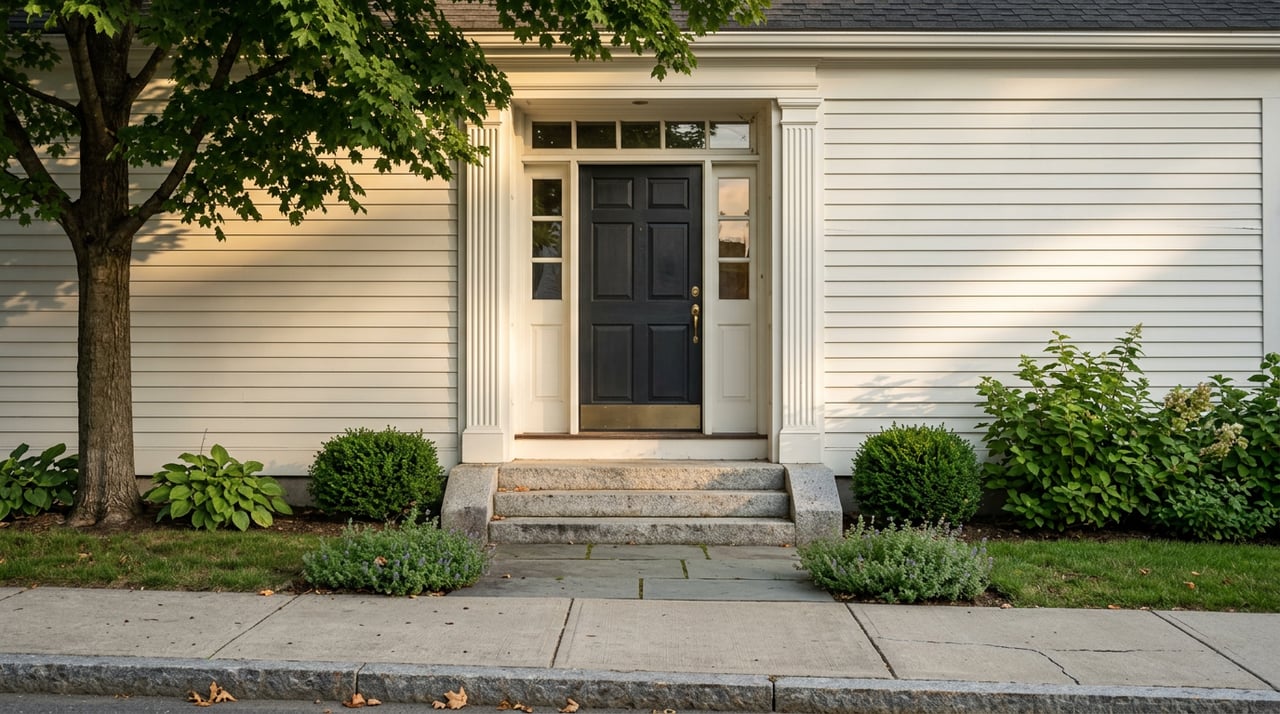
Are you thinking about buying a duplex, triplex, or fourplex in Augusta? It can be a smart way to build income in a market with steady rental demand, but this is also a city where details matter. If you want to invest well, you need to understand renter demand, local costs, older housing stock, and the rules that shape day-to-day ownership. Let’s dive in.
Why Augusta draws small multifamily investors
Augusta offers something many investors want: a real renter base in a smaller market. Census QuickFacts show the city had 19,168 residents in the 2024 estimate, 10,164 total housing units, and an owner-occupied rate of 53.8 percent. That points to a meaningful share of renters, which gives small multifamily properties a solid foundation for demand.
Augusta also serves as a hub for state and local government, education, healthcare, and commerce in Central Maine. Those steady employment anchors can support year-round housing demand. For you as an investor, that can mean a broader tenant pool than you might expect in a city of this size.
At the same time, Augusta is an affordability-sensitive market. The city’s median household income is $47,979, and the median gross rent is $919. That means your investment plan should be built around realistic rents, careful expense control, and dependable property condition rather than assuming aggressive rent growth.
Where tenant demand is strongest
In Augusta, location still drives performance. The city’s economic development materials point to downtown as an active area, with 630,700 visits in 2025 and more than 100 new housing units created downtown over the prior decade. The city also continues to support downtown redevelopment and housing creation.
That matters because small multifamily demand often follows convenience. Areas near downtown, the civic and government core, and locations with access to the University of Maine at Augusta can appeal to a mix of renters looking for proximity to work, services, and daily needs. Healthcare and public-sector employment also help support demand across the city.
For you, that means a property does not need to be flashy to perform well. In Augusta, practical location, usable layout, and manageable operating costs may matter more than chasing a premium finish level that the market may not fully support.
What kind of properties you’ll likely find
A big part of small multifamily investing in Augusta is working with older buildings and converted spaces. City planning materials reference several apartment conversion and adaptive reuse proposals, including mixed-use and upper-floor residential conversions. That suggests many opportunities may involve properties where the story is more complex than a simple rent roll.
You may be looking at converted houses, downtown mixed-use buildings, or older apartment layouts. In those cases, the key questions are not just about current income. You also need to understand unit legality, life-safety features, parking, utility setup, and the cost of bringing an older building up to a dependable operating standard.
This is where disciplined review can protect you. A property that looks attractive on paper may need updates or approvals that affect your budget and timeline. In Augusta, small multifamily investing often rewards buyers who are patient, detail-oriented, and realistic.
Why legal status matters so much
Before you underwrite a duplex, triplex, or fourplex, verify that the use is legal as it exists today. Augusta’s Planning Bureau handles rezoning, conditional use, subdivision, development, and special exception applications. The Code Enforcement Bureau handles building permits, inspections for new construction and renovations, and even vacant-building materials.
That means you should confirm zoning, permit history, overlays, and any nonconforming use issues before closing. If a seller markets a building as multiple units, do not assume every unit is fully approved and rentable as-is. In an older New England market, paperwork and actual use do not always match.
This step is especially important if the building has been reconfigured over time. A layout that appears functional may still raise questions about permits, egress, parking, or code compliance. Getting clarity early can help you avoid expensive surprises later.
How to think about rent in Augusta
Rent analysis in Augusta should stay grounded in local numbers. MaineHousing’s 2026 Kennebec County Fair Market Rent benchmarks list $1,090 for a one-bedroom, $1,416 for a two-bedroom, $1,819 for a three-bedroom, and $2,158 for a four-bedroom unit. At the same time, Augusta’s median gross rent is $919.
Taken together, those numbers show a market where affordability matters and unit-by-unit underwriting is essential. You should compare projected rents to the local housing stock, condition, utility responsibilities, and location rather than plugging in optimistic county-wide figures and assuming they apply to every building.
This also puts more focus on the basics. In a market like Augusta, the right unit mix, clear utility structure, and manageable maintenance plan can have a major impact on net income. A modest building with efficient operations may outperform a property that looks stronger at first glance but carries heavier expenses.
Taxes can change your numbers fast
Property taxes deserve close attention in Augusta. The city’s last published assessing page shows a tax rate of $24.40 per $1,000 for FY2025-2026, with taxes due in September and March and an April 1 assessment date. The city also states that it completed a citywide revaluation for the April 1, 2026 tax year.
For you, that means taxes should never be treated as a rough placeholder. Confirm the active mill rate and the post-revaluation assessment before closing so your carrying cost estimate reflects current reality. Even a property with decent rent potential can become less attractive if taxes come in higher than expected.
This is one reason local due diligence matters so much in Augusta. In a smaller, affordability-conscious market, fixed costs can have an outsized effect on cash flow. Tight underwriting is not optional here.
Operating rules every landlord should know
Owning small multifamily property in Augusta is not just about buying well. It is also about operating professionally. Maine landlord-tenant law caps residential security deposits at two months’ rent, requires deposits to be held separately from the landlord’s assets, and generally requires return by the lease deadline or within 30 days if there is no lease.
Maine also recognizes an implied warranty of habitability. That means serious property conditions need prompt attention after notice. For you as an owner, solid move-in documentation, maintenance reserves, and responsive repair systems are part of protecting your investment.
Augusta also has a local disorderly-house ordinance, and the police department maintains a landlord log tied to that framework. That is a practical reminder that screening, complaint response, and consistent management practices can help protect your property and reduce avoidable problems.
The due diligence checklist to use
If you are evaluating a small multifamily property in Augusta, keep your process simple and disciplined.
- Verify zoning, overlays, permit history, and current legal use with Augusta Planning and Code Enforcement.
- Compare projected rents with Augusta’s median gross rent and Kennebec County Fair Market Rent benchmarks.
- Review the current property tax assessment carefully, especially after Augusta’s 2026 revaluation.
- If the property has older plumbing, private septic, or a period of vacancy, confirm system capacity and any required permits before closing.
- Budget for maintenance and reserve planning, especially in older converted buildings.
- Review lease terms, security deposit handling, and turnover procedures to make sure operations align with Maine law.
- Speak with a CPA and attorney for advice on entity choice, depreciation, and deal structure based on your specific situation.
A checklist like this can help you stay focused on the issues that most affect long-term performance. In Augusta, good investing often comes down to avoiding preventable mistakes.
What a smart Augusta investment looks like
The strongest small multifamily opportunities in Augusta are often not the ones with the flashiest headline numbers. A smart buy may be a well-located property near downtown or the civic core, with legal units, solid building systems, and a rent level that matches local demand. Stability and control often matter more than stretch projections.
You should also think beyond the purchase. In this market, hands-on oversight, careful tenant placement, and steady upkeep can do a lot to protect occupancy and income. If you want to invest in Augusta successfully, the goal is not just to buy a building. It is to buy a property you can operate well.
If you are exploring duplexes, triplexes, fourplexes, or other income properties in Augusta, working with a local team can help you spot risks early and evaluate opportunities with more confidence. Hoang Realty offers local market insight, multifamily experience, and rental and property management support to help you move forward with clarity.
FAQs
What makes Augusta a good market for small multifamily investing?
- Augusta has a meaningful renter base, steady demand drivers tied to government, education, healthcare, and commerce, and active downtown housing growth, but success still depends on disciplined underwriting and management.
What areas of Augusta may have stronger rental demand?
- Areas near downtown, the civic and government core, and locations convenient to the University of Maine at Augusta may offer stronger demand because of access to work, services, and daily needs.
What property types are common in Augusta multifamily investing?
- Investors in Augusta will often encounter older buildings, converted houses, downtown mixed-use properties, and adaptive reuse opportunities where layout, safety, parking, and permit history need close review.
Why should Augusta investors verify zoning and permits?
- Augusta’s older housing stock and conversion activity make it important to confirm legal use, permit history, overlays, and any nonconforming issues before assuming all units can be rented as advertised.
How should you estimate rent for an Augusta multifamily property?
- Use Augusta’s median gross rent and Kennebec County Fair Market Rent benchmarks as reference points, then adjust based on unit size, condition, utility setup, and location.
How important are property taxes when buying in Augusta?
- Property taxes are a major fixed cost in Augusta, and the city completed a revaluation for the April 1, 2026 tax year, so you should confirm the current rate and assessment before closing.
What landlord rules matter for Augusta multifamily owners?
- Maine rules on security deposits, deposit handling, and habitability matter for every owner, and Augusta’s local disorderly-house framework also makes screening and responsive management especially important.